Botanical illustration from a book by Karl Ludwig Blume
Trees up to 50 m in height and 50-70 cm in diameter, with a straight clean trunk up to 20 m and often a domed crown . The branches are wide, the lower ones often hanging. The bark is reddish brown and wrinkled. The inner bark is orange with brown resin . The leaves of juveniles are double-rowed, close to linear (6) 10-17 mm long, 1.2-2.2 mm wide, gradually losing their double-row habit as the tree matures. Leaves on old trees become mostly scaly, 1-3 by 0.4-0.6 mm. Men's axillary cones , 1 cm long. Female cones are single or grouped in 2 on the tip of a twig, but only one is fertile. Seeds are ovoid, 0.5-0.6 cm, glossy, red when ripe.
The plant is distributed in the following countries: Cambodia , China ( Guangxi , Hainan , Yunnan ) Fiji , Indonesia ( Java , Lesser Sunda Islands , Western New Guinea , Sulawesi , Sumatra ), Laos , Malaysia , Papua New Guinea ( Bismarck archipelago ) Philippines , Thailand , Vanuatu , Vietnam . It occurs in primary and secondary from low to mid-mountain rain forests at altitudes of 200 to about 3000 m above sea level, although most often between 500 and 2000 m above sea level.
20-hydroxyecdysone with anti-leukemia action was isolated from the cortex [1] .
Red tree bark is used for the construction of houses, furniture and a number of other products.
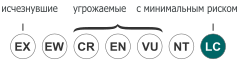
In most areas of its large range, this species is highly regarded for its soft, resilient wood. Forest conversion for oil palm plantations and other crops is also a threat to species conservation in some areas. The species is known for growing in protected areas throughout its distribution range. In China and Vietnam, this species has been listed as vulnerable at the national level.