| a | b | c | d | e | f | g | h | ||
| eight | 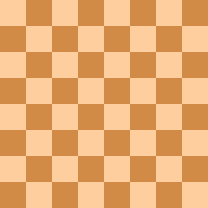     | eight | |||||||
| 7 | 7 | ||||||||
| 6 | 6 | ||||||||
| five | five | ||||||||
| four | four | ||||||||
| 3 | 3 | ||||||||
| 2 | 2 | ||||||||
| one | one | ||||||||
| a | b | c | d | e | f | g | h | ||
d5, d6 - double pawns,
g2, g3, g4 - solid pawns
g2, g3, g4 - solid pawns
Double pawn pawns is a chess term for a pawn structure characterized by the location of two (three) pawns on one side on the same vertical.
Double pawns are usually a significant weakness of the side, especially in the endgame. Double pawns have less mobility, they are more susceptible to attack by enemy pieces. Isolated double pawns are especially weak. The front double pawn cannot be protected from the rear. The presence of double pawns makes it difficult, and sometimes makes it impossible, to form a passed pawn.