Chrysler Cirrus - a four-door sedan of the middle class, produced from 1995 to 2000. In the middle price category, the car was produced as a Dodge Stratus , the budget option was called Plymouth Breeze and appeared on the market a year later.
| Chrysler cirrus | |||||||||||||||||||||||||||||||||||||||||||||||||||||||||||||||||||||||||||||||||||||||||||||||||||||||||||||||||||||||||||||||||||||||||||||||
|---|---|---|---|---|---|---|---|---|---|---|---|---|---|---|---|---|---|---|---|---|---|---|---|---|---|---|---|---|---|---|---|---|---|---|---|---|---|---|---|---|---|---|---|---|---|---|---|---|---|---|---|---|---|---|---|---|---|---|---|---|---|---|---|---|---|---|---|---|---|---|---|---|---|---|---|---|---|---|---|---|---|---|---|---|---|---|---|---|---|---|---|---|---|---|---|---|---|---|---|---|---|---|---|---|---|---|---|---|---|---|---|---|---|---|---|---|---|---|---|---|---|---|---|---|---|---|---|---|---|---|---|---|---|---|---|---|---|---|---|---|---|---|---|
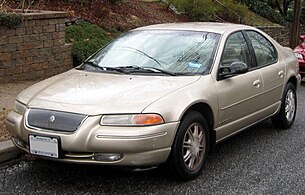 | |||||||||||||||||||||||||||||||||||||||||||||||||||||||||||||||||||||||||||||||||||||||||||||||||||||||||||||||||||||||||||||||||||||||||||||||
| general information | |||||||||||||||||||||||||||||||||||||||||||||||||||||||||||||||||||||||||||||||||||||||||||||||||||||||||||||||||||||||||||||||||||||||||||||||
| Manufacturer | Chrysler corporation Daimler chrysler | ||||||||||||||||||||||||||||||||||||||||||||||||||||||||||||||||||||||||||||||||||||||||||||||||||||||||||||||||||||||||||||||||||||||||||||||
| Years of production | 1994–2000 (Cirrus & Stratus) 1996–2000 (Breeze) | ||||||||||||||||||||||||||||||||||||||||||||||||||||||||||||||||||||||||||||||||||||||||||||||||||||||||||||||||||||||||||||||||||||||||||||||
| Assembly |  : Sterling Heights ( en: Sterling Heights Assembly ) : Sterling Heights ( en: Sterling Heights Assembly ) | ||||||||||||||||||||||||||||||||||||||||||||||||||||||||||||||||||||||||||||||||||||||||||||||||||||||||||||||||||||||||||||||||||||||||||||||
| Class | average | ||||||||||||||||||||||||||||||||||||||||||||||||||||||||||||||||||||||||||||||||||||||||||||||||||||||||||||||||||||||||||||||||||||||||||||||
| Other designations | Chrysler stratus Plymouth breeze Dodge stratus | ||||||||||||||||||||||||||||||||||||||||||||||||||||||||||||||||||||||||||||||||||||||||||||||||||||||||||||||||||||||||||||||||||||||||||||||
| Design | |||||||||||||||||||||||||||||||||||||||||||||||||||||||||||||||||||||||||||||||||||||||||||||||||||||||||||||||||||||||||||||||||||||||||||||||
| Body type | 4-dv. sedan (5-seater) | ||||||||||||||||||||||||||||||||||||||||||||||||||||||||||||||||||||||||||||||||||||||||||||||||||||||||||||||||||||||||||||||||||||||||||||||
| Platform | Chrysler ja | ||||||||||||||||||||||||||||||||||||||||||||||||||||||||||||||||||||||||||||||||||||||||||||||||||||||||||||||||||||||||||||||||||||||||||||||
| Layout | front-wheel drive, front-wheel drive | ||||||||||||||||||||||||||||||||||||||||||||||||||||||||||||||||||||||||||||||||||||||||||||||||||||||||||||||||||||||||||||||||||||||||||||||
| Engine | |||||||||||||||||||||||||||||||||||||||||||||||||||||||||||||||||||||||||||||||||||||||||||||||||||||||||||||||||||||||||||||||||||||||||||||||
| |||||||||||||||||||||||||||||||||||||||||||||||||||||||||||||||||||||||||||||||||||||||||||||||||||||||||||||||||||||||||||||||||||||||||||||||
| Transmission | |||||||||||||||||||||||||||||||||||||||||||||||||||||||||||||||||||||||||||||||||||||||||||||||||||||||||||||||||||||||||||||||||||||||||||||||
| 4-speed automatic transmission Ultradrive 41TE 5-speed manual transmission NV T350 (Breeze and Stratus) | |||||||||||||||||||||||||||||||||||||||||||||||||||||||||||||||||||||||||||||||||||||||||||||||||||||||||||||||||||||||||||||||||||||||||||||||
| Characteristics | |||||||||||||||||||||||||||||||||||||||||||||||||||||||||||||||||||||||||||||||||||||||||||||||||||||||||||||||||||||||||||||||||||||||||||||||
| Mass-dimensional | |||||||||||||||||||||||||||||||||||||||||||||||||||||||||||||||||||||||||||||||||||||||||||||||||||||||||||||||||||||||||||||||||||||||||||||||
| Length | 4724-4742 mm | ||||||||||||||||||||||||||||||||||||||||||||||||||||||||||||||||||||||||||||||||||||||||||||||||||||||||||||||||||||||||||||||||||||||||||||||
| Width | 1803-1821 mm | ||||||||||||||||||||||||||||||||||||||||||||||||||||||||||||||||||||||||||||||||||||||||||||||||||||||||||||||||||||||||||||||||||||||||||||||
| Height | 1374-1382 mm | ||||||||||||||||||||||||||||||||||||||||||||||||||||||||||||||||||||||||||||||||||||||||||||||||||||||||||||||||||||||||||||||||||||||||||||||
| Wheelbase | 2743 mm | ||||||||||||||||||||||||||||||||||||||||||||||||||||||||||||||||||||||||||||||||||||||||||||||||||||||||||||||||||||||||||||||||||||||||||||||
| Weight | 1320-1443 kg | ||||||||||||||||||||||||||||||||||||||||||||||||||||||||||||||||||||||||||||||||||||||||||||||||||||||||||||||||||||||||||||||||||||||||||||||
| On the market | |||||||||||||||||||||||||||||||||||||||||||||||||||||||||||||||||||||||||||||||||||||||||||||||||||||||||||||||||||||||||||||||||||||||||||||||
| Similar models | Chrysler sebring | ||||||||||||||||||||||||||||||||||||||||||||||||||||||||||||||||||||||||||||||||||||||||||||||||||||||||||||||||||||||||||||||||||||||||||||||
| Other | |||||||||||||||||||||||||||||||||||||||||||||||||||||||||||||||||||||||||||||||||||||||||||||||||||||||||||||||||||||||||||||||||||||||||||||||
| Designer | Michael Santoro (1992) | ||||||||||||||||||||||||||||||||||||||||||||||||||||||||||||||||||||||||||||||||||||||||||||||||||||||||||||||||||||||||||||||||||||||||||||||
Built on the en: Chrysler JA platform, these cars are known collectively as “cloud cars” because meteorological terms are used as model names: the word cirrus in the English language classification of clouds means cirrus clouds, the word stratus means layered clouds, and breeze - breeze , coastal wind.
Content
- 1 Development History
- 2 Description
- 2.1 Options
- 2.2 Engines
- 2.3 Changes over the years
- 3 Dodge Stratus
- 3.1 Chrysler Stratus
- 3.2 Options
- 3.3 Engines
- 3.4 Changes over the years
- 4 Plymouth Breeze
- 4.1 Options
- 4.2 Engines
- 4.3 Changes over the years
- 5 notes
- 6 References
Development History
The creation of the Chrysler Cirrus began in 1991, the goal of the authors was to create a bright, crazy (fun-to-drive) car on the one hand, and, on the other hand, quite safe and suitable as a family car for every day. [1] The 1992 concept car, which had the same name, was used as the basis (debuted the same year at the Detroit International Motor Show ). Interesting features of the concept were rear- hinged doors and a methanol-powered two-stroke turbocharged 3.0-liter engine producing 400 hp. [2]
Like the concept, the production Cirrus was developed using the new Chrysler design, dubbed the "cab forward," and initially tested on full-size cars of the en: LH platform. The origin of the name is due to the fact that when designing a car, the cabin seems to be pushed forward, reaching the front wheels with doors, and the windshield is partially above the engine. The rear wheels are shifted back to the bumper. All this made it possible to make the car interior noticeably more spacious than similar-sized cars of the time.
Appearance Cirrus was engaged in the famous Chrysler designer Michael Santoro. The main idea was to get away from the then popular “three box” design, which was characterized by a clear allocation of the engine compartment, interior and trunk, as a result of which the car received smooth body contours [1]
Description
Chrysler Cirrus cars have come to replace cars built on the Chrysler K platform. Various magazines, such as Consumer Reports, usually compared the Cirrus with mid-range cars such as the Chevrolet Malibu and were more spacious than the Ford Contour . Outwardly, all three cars (Cirrus, Stratus and Breeze) look very similar, the differences mainly concern headlights, bumpers and wheels.The differences in the design of the front parts of the cars are due to the borrowing of the front optics and radiator grilles from the minivans of the manufacturer to which the model belonged. The interiors of the cars are also almost identical, differing in little things like the name of the model on the steering wheel. | The set of options was also general: independent suspension of all wheels ( on double wishbones in front, multi-link at the rear), air conditioning, steering wheel adjustment, [3] driver and front passenger airbags, 4-speed automatic transmission ( Autostick was not available for Breeze ), ABS , cruise control, power windows, central locking, power mirrors, sunroof. A manual gearbox was available only for models with a 2.0 liter engine, since the other engines had too much torque, and it was more difficult to drive a car with a manual transmission.
The Cirrus debuted in the market in 1995 as a replacement for the Chrysler LeBaron sedan. Initially, two trim levels were available: basic LX and luxury LXi . On both configurations, “sporty” black mirrors were mounted, fastened to the body with two pillars, fog lights, identical moldings, chrome bumper parts, automatic transmissions, radiator grilles were available both chromed and painted in body color. On this car, Chrysler first installed its original logo, which had not been used at that time for 41 years. [4] The production of LX equipment was stopped in 1998, but resumed from 2000, becoming a replacement for the Plymouth Breeze, discontinued at the beginning of the same year. In 2001, the Dodge Stratus sedan replaced the Chrysler Cirrus.
Picking
- LX • 1995–1997; 2000
- LXi • 1995–2000
Engines
- 2.4 l. I4
- 2.5 l V6
Changes over the years
- 1995 : Start of production and start of sales in the USA and Canada .
- 1996 : Rear headrests appeared.
- 1997 : Basic models of both ( LX and LXi ) models are equipped with a 4-cylinder engine, V6 is available as an option. The center console has changed, the armrest of the driver with a built-in drawer for small items appeared.
- 1998 : Discontinued production of the LX model and 4-cylinder car models . Only V6 LXi sold .
- 1999 : For its fifth anniversary, Cirrus received a new radiator grill with an updated emblem. As an option, the Chrysler's Sentry Key system is available, which blocks the ignition system in the absence of a special key, in addition to the usual stamped alloy wheels are available. Cirrus became the only one of the "cloud" machines that passed facelift .
- 2000 : Last year on the market, the return of the 4-cylinder LX . Previously available as options, rear mounts for child seats, alloy wheels and an AM / FM receiver with 8 speakers have become part of the basic configuration. The last Chrysler Cirrus rolled off the assembly line on June 13, 2000.
Dodge Stratus
The Dodge Stratus was launched in 1995 as a replacement for Dodge Spirit and Dynasty . The car existed in two trim levels: basic (in 2000 it was renamed SE ) with a 2.0 engine. (2.4 ’was optionally available) and ES in 1995–97, which was also equipped with a two-liter engine (2.4 and 2.5 l options were optionally available). Since 1998, the 2.4-liter engine became the base engine for the ES , and since 1999, the car with 2.5 & nbspl became the only one. V6.
In Mexico, a turbocharged version of the Stratus was sold, equipped with a 4-cylinder DOHC divider volume of 2.4 liters. and 4-speed automatic transmission with Autostick function. The car engine had a capacity of 168 liters. from. (124 kW) at 5200 rpm. and a torque of 293 Nm at 2200 rpm.
The year 2000 was the last year Stratus sold in Canada, before being replaced by a Chrysler Sebring (Dodge did not offer its car).
Chrysler Stratus
In some markets where Dodge was not present, such as Europe, Argentina and Brazil, Stratus was sold under the Chrysler brand. In Brazil, the Stratus was equipped with the same engines as the North American versions, but had greater ground clearance, based on the condition of Brazilian roads. European models were equipped with only two engines: a 4-cylinder 2.0 liter. or 2.5 l. V6, and had chrome moldings on the doors and bumpers.
Picking
- base 1995-1999
- SE 2000
- ES 1995-2000
Engines
- 2.0 l I4
- 2.4 l. I4
- 2.5 l V6
Changes over the years
- 1995 : Start of sales.
- 1997 : A new center console with a driver’s armrest (a box for small items is integrated in the armrest) and cup holders for rear passengers.
- 1998 : 2.4 liter engine becomes standard on the ES .
- 1999 : ES comes with a V6 engine only.
- 2000 : Base trim renamed to SE .
Plymouth Breeze
Plymouth Breeze appeared at the end of 1995 as a representative of the already new 1996 model year. Although it did not reach the sales volume of its predecessor, Plymouth Acclaim , more than 230,000 cars were sold, and the total number of cars produced exceeded that of Chrysler Cirrus, which had been on the market two years longer. [5]
As part of Chrysler’s new marketing strategy, which allocated each of its automakers its own market share, Plymouth got a segment of budget cars. In this regard, when developing Breeze, the main emphasis was on the low price. [6] As a result, the car, along with the basic version of Stratus, took the place of the junior representatives of the en: JA platform, and therefore did not have some options available for the more expensive Stratus and Cirrus, for example, V6 engine, alloy wheels, leather interior, painting door handles in body color, fog lights, automatic transmission. [1] [7]
Only one model was produced, the standard equipment included a 2.0 liter engine, a 5-speed manual transmission , 14-inch wheels, air conditioning, airbags for the driver and front passenger. Despite the availability of a single complete set, the list of options available for order was quite wide: 4-speed automatic transmission , 2.4-liter engine. (only with automatic machine), ABS , steering wheel adjustment, cruise control, power windows, central locking, power mirrors, sunroof. In addition, in 1998–99. Expresso Package was offered for Breeze. Like the same packages for Plymouth Voyager and Neon , the set included original nameplates, rims, an improved audio system, and the interior decoration of the Rhythm car. [7] Automobile production was discontinued at the beginning of 2000 [1] as part of the process to close the unit. The last Breeze rolled off the assembly line at en: Sterling Heights Assembly on January 7, 2000.
Picking
- base : 1996–2000
- Expresso : 1998–1999
Engines
- 2.0 l I4
- 2.4 l. I4
Changes over the years
- 1996 : Start of production.
- 1997 : A new center console with a driver’s armrest (a box for small items is integrated in the armrest) and cup holders for rear passengers.
- 1998 : As an option, a 2.4 liter engine appeared, including one for Expresso .
- 1999 : Suspension retuned for smoother ride.
- 2000 : As part of the closing process of the Plymouth division, production stopped, only the base model was on sale.
Notes
- ↑ 1 2 3 4 "Chrysler Cirrus and Dodge Stratus development story" Information courtesy of Chrysler, allpar , retrieved on 2010–05–09.
- ↑ [1] Chrysler Cirrus concept, retrieved on 2015–11–18.
- ↑ Standard Catalog of Chrysler 1914-2000. - Krause Publications. - ISBN 978-1-4402-3236-7 .
- ↑ "How Chrysler Works: The Chrysler LHS and Chrysler Cirrus" by the Auto Editors of Consumer Guide , retrieved on 2010–05–09.
- ↑ Encyclopedia of American Cars "Plymouth" p. 280-81: "Chrysler Production Figures."
- ↑ Yates, Brock. The Critical Path: Inventing an Automobile and Reinventing a Corporation "Showtime in St. Louis" p. 209–11. - Little, Brown, 1996.
- ↑ 1 2 Daimler-Chrysler Corporation Factory Sales Brochure "1999 Plymouth lineup"