It was previously considered a subspecies of the Wilder-banded lemur ( Phaner furcifer ); according to the combination of morphological and genetic characters, it was isolated. [one]
The coat on the back is brown with a black stripe reaching the base of the tail. The peripheral third of the tail is also dark in color. The ventral side of the body is light, which distinguishes this species from other forked lemurs. Some individuals have white hair on the crown. [2]
They are found in the northwest of Madagascar in the Sambiranu region south of Ambanja . The range includes the Ampasindava Peninsula and extends south to the Andranumalaza River. Found at an altitude of up to 800 m above sea level. [3]
Omnivores, in the diet woody juices and resins, buds and sprouts, insects and larvae. Sleeps in nests left by other lemurs, especially the Cockerel mouse lemur . Prefers lowland tropical rainforests. Spends most of the time on the upper tier of the forest. [3]
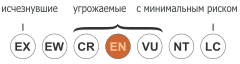
The International Union for Conservation of Nature has assigned this species a status of "Vulnerable" Despite the fact that the area of the area is 20 thousand km², the area is very fragmented and continues to decline due to the extensive development of agriculture, logging and development of coal deposits. [3]