
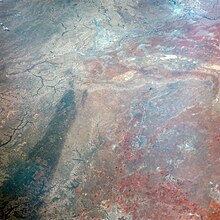
Texas's climate varies widely, from arid in the west to humid in the east. The vast expanses of Texas cover several regions with different climates: the Northern Plains, , , , . On the whole, humid subtropical climate prevails in eastern Texas, while in the western part of the state the climate is semi-arid (with some arid regions). Snow falls more often in northern Texas than in the south, with heavy snowfalls in coastal areas.
Texas ranks first for tornadoes, with an average of about 139 tornadoes per year in Texas. A tropical cyclone can enter the state either from the Gulf of Mexico or along a land path from the eastern Pacific Ocean . Those cyclones that emanate from the Gulf of Mexico more often pass through the upper part of the Texas coast than elsewhere. Significant floods have occurred throughout the state throughout the state, both due to tropical cyclones and stationary atmospheric fronts .
Characteristics by Region
Northern Plains
| Average temperatures in various cities in the Northern Plains | ||||||||||||
| City | January | February | March | April | May | June | July | August | September | October | November | December |
|---|---|---|---|---|---|---|---|---|---|---|---|---|
| Abilene | 55 ° F (13 ° C) | 61 ° F (16 ° C) | 69 ° F (21 ° C) | 77 ° F (25 ° C) | 85 ° F (29 ° C) | 91 ° F (33 ° C) | 95 ° F (35 ° C) | 94 ° F (34 ° C) | 87 ° F (31 ° C) | 78 ° F (26 ° C) | 65 ° F (18 ° C) | 57 ° F (14 ° C) |
| 32 ° F (0 ° C) | 37 ° F (3 ° C) | 44 ° F (7 ° C) | 52 ° F (11 ° C) | 61 ° F (16 ° C) | 69 ° F (21 ° C) | 72 ° F (22 ° C) | 71 ° F (22 ° C) | 64 ° F (18 ° C) | 54 ° F (12 ° C) | 42 ° F (6 ° C) | 34 ° F (1 ° C) | |
| Amarillo | 49 ° F (9 ° C) | 54 ° F (12 ° C) | 62 ° F (17 ° C) | 71 ° F (22 ° C) | 79 ° F (26 ° C) | 87 ° F (31 ° C) | 91 ° F (33 ° C) | 89 ° F (32 ° C) | 82 ° F (28 ° C) | 72 ° F (22 ° C) | 58 ° F (14 ° C) | 50 ° F (10 ° C) |
| 23 ° F (−5 ° C) | 27 ° F (−3 ° C) | 34 ° F (1 ° C) | 42 ° F (6 ° C) | 52 ° F (11 ° C) | 61 ° F (16 ° C) | 65 ° F (18 ° C) | 64 ° F (18 ° C) | 56 ° F (13 ° C) | 45 ° F (7 ° C) | 32 ° F (0 ° C) | 24 ° F (−4 ° C) | |
| Lubbock | 52 ° F (11 ° C) | 58 ° F (14 ° C) | 66 ° F (19 ° C) | 75 ° F (24 ° C) | 83 ° F (28 ° C) | 90 ° F (32 ° C) | 92 ° F (33 ° C) | 90 ° F (32 ° C) | 83 ° F (28 ° C) | 74 ° F (23 ° C) | 62 ° F (17 ° C) | 53 ° F (12 ° C) |
| 24 ° F (−4 ° C) | 29 ° F (−2 ° C) | 36 ° F (2 ° C) | 45 ° F (7 ° C) | 56 ° F (13 ° C) | 64 ° F (18 ° C) | 68 ° F (20 ° C) | 66 ° F (19 ° C) | 58 ° F (14 ° C) | 47 ° F (8 ° C) | 35 ° F (2 ° C) | 26 ° F (−3 ° C) | |
| Midland | 60 ° F (16 ° C) | 66 ° F (19 ° C) | 74 ° F (23 ° C) | 82 ° F (28 ° C) | 89 ° F (32 ° C) | 94 ° F (34 ° C) | 96 ° F (36 ° C) | 94 ° F (34 ° C) | 88 ° F (31 ° C) | 80 ° F (27 ° C) | 68 ° F (20 ° C) | 61 ° F (16 ° C) |
| 29 ° F (−2 ° C) | 34 ° F (1 ° C) | 41 ° F (5 ° C) | 48 ° F (9 ° C) | 58 ° F (14 ° C) | 65 ° F (18 ° C) | 68 ° F (20 ° C) | 67 ° F (19 ° C) | 61 ° F (16 ° C) | 51 ° F (11 ° C) | 39 ° F (4 ° C) | 31 ° F (−1 ° C) | |
| San angelo | 58 ° F (14 ° C) | 63 ° F (17 ° C) | 71 ° F (22 ° C) | 79 ° F (26 ° C) | 86 ° F (30 ° C) | 91 ° F (33 ° C) | 95 ° F (35 ° C) | 94 ° F (34 ° C) | 88 ° F (31 ° C) | 79 ° F (26 ° C) | 67 ° F (19 ° C) | 59 ° F (15 ° C) |
| 29 ° F (−2 ° C) | 34 ° F (1 ° C) | 42 ° F (6 ° C) | 50 ° F (10 ° C) | 59 ° F (15 ° C) | 66 ° F (19 ° C) | 70 ° F (21 ° C) | 68 ° F (20 ° C) | 63 ° F (17 ° C) | 51 ° F (11 ° C) | 39 ° F (4 ° C) | 31 ° F (−1 ° C) | |
| Wichita falls | 52 ° F (11 ° C) | 58 ° F (14 ° C) | 67 ° F (19 ° C) | 76 ° F (24 ° C) | 84 ° F (29 ° C) | 92 ° F (33 ° C) | 97 ° F (36 ° C) | 96 ° F (36 ° C) | 88 ° F (31 ° C) | 77 ° F (25 ° C) | 64 ° F (18 ° C) | 54 ° F (12 ° C) |
| 29 ° F (−2 ° C) | 34 ° F (1 ° C) | 41 ° F (5 ° C) | 49 ° F (9 ° C) | 59 ° F (15 ° C) | 68 ° F (20 ° C) | 72 ° F (22 ° C) | 71 ° F (22 ° C) | 64 ° F (18 ° C) | 52 ° F (11 ° C) | 40 ° F (4 ° C) | 31 ° F (−1 ° C) | |
| [1] Texas weather and climate facts | ||||||||||||
The climate of the northern plains is semi-desert and prone to drought, from 16 inches (410 mm) to 32 inches (810 mm) of precipitation falls annually in the region. In the summertime, this region has the most clear days. [1] On winter nights, temperatures often drop below zero Celsius. The wettest months of the year are April and May [2] Tornadoes, caused by a combination of westerly and southerly winds, are not uncommon, prevail in late spring and thus make the region part of the tornado avenue . [3] Improper land use, drought and high wind speeds can cause large dust storms, the peak of which is known in history as the dust boiler . [4] At the moment, the likelihood of dust storms is minimized by improving farming methods and principles. The Texas ledge farthest from the Gulf of Mexico experiences colder winters than other Texas regions. [five]
Trans Pecos
| Average temperatures in various cities in Trans Pecos | ||||||||||||
| City | January | February | March | April | May | June | July | August | September | October | November | December |
|---|---|---|---|---|---|---|---|---|---|---|---|---|
| El paso | 57 ° F (14 ° C) | 63 ° F (17 ° C) | 70 ° F (21 ° C) | 78 ° F (26 ° C) | 87 ° F (31 ° C) | 95 ° F (35 ° C) | 94 ° F (34 ° C) | 92 ° F (33 ° C) | 87 ° F (31 ° C) | 78 ° F (26 ° C) | 66 ° F (19 ° C) | 57 ° F (14 ° C) |
| 33 ° F (1 ° C) | 38 ° F (3 ° C) | 44 ° F (7 ° C) | 51 ° F (11 ° C) | 61 ° F (16 ° C) | 69 ° F (21 ° C) | 72 ° F (22 ° C) | 70 ° F (21 ° C) | 64 ° F (18 ° C) | 52 ° F (11 ° C) | 40 ° F (4 ° C) | 33 ° F (1 ° C) | |
| Texas weather and climate facts | ||||||||||||
The Trans-Pecos region, also known as the far west of Texas and the Big Bend Territory, is the westernmost region in Texas, consisting of the Chihuahua Desert and isolated mountain ranges. In autumn, winter and spring, the region has the most clear days [1] This area is also the driest, with no more than 16 inches (410 mm) of precipitation per year. Arid climate is the main reason for desertification of the land, but in addition to it, desertification is also facilitated by intensive grazing. In mountainous regions, in more humid and temperate regions, you can see coniferous forest . Most precipitation falls in the summer months. [2] Strong winds also prevail in the region, as they have to overcome gorges and canyons. In a flat area, these winds are used to generate electricity.
Hill Country
| Average temperatures in various cities in Hill Country | ||||||||||||
| City | January | February | March | April | May | June | July | August | September | October | November | December |
|---|---|---|---|---|---|---|---|---|---|---|---|---|
| Austin | 60 ° F (16 ° C) | 65 ° F (18 ° C) | 73 ° F (23 ° C) | 79 ° F (26 ° C) | 85 ° F (29 ° C) | 91 ° F (33 ° C) | 95 ° F (35 ° C) | 96 ° F (36 ° C) | 90 ° F (32 ° C) | 81 ° F (27 ° C) | 70 ° F (21 ° C) | 62 ° F (17 ° C) |
| 40 ° F (4 ° C) | 44 ° F (7 ° C) | 51 ° F (11 ° C) | 58 ° F (14 ° C) | 65 ° F (18 ° C) | 71 ° F (22 ° C) | 73 ° F (23 ° C) | 73 ° F (23 ° C) | 69 ° F (21 ° C) | 60 ° F (16 ° C) | 49 ° F (9 ° C) | 42 ° F (6 ° C) | |
| San antonio | 62 ° F (17 ° C) | 67 ° F (19 ° C) | 74 ° F (23 ° C) | 80 ° F (27 ° C) | 86 ° F (30 ° C) | 91 ° F (33 ° C) | 95 ° F (35 ° C) | 95 ° F (35 ° C) | 90 ° F (32 ° C) | 82 ° F (28 ° C) | 71 ° F (22 ° C) | 64 ° F (18 ° C) |
| 39 ° F (4 ° C) | 43 ° F (6 ° C) | 50 ° F (10 ° C) | 57 ° F (14 ° C) | 66 ° F (19 ° C) | 72 ° F (22 ° C) | 74 ° F (23 ° C) | 74 ° F (23 ° C) | 69 ° F (21 ° C) | 59 ° F (15 ° C) | 49 ° F (9 ° C) | 41 ° F (5 ° C) | |
| Texas weather and climate facts | ||||||||||||
Hill Country or central Texas is formed by numerous rivers and hills. The region is dominated by a humid subtropical climate with cool winters and hot summers. On the territory of Hill Country, both deciduous in the river valleys and conifers , where there are great heights, grow. Within one year, the region can receive up to 48 inches (1200 mm) of rainfall; flooding is a common situation near rivers and in lowlands. The wettest months of the year are April and May. [2]
Piney Woods
| Average temperatures in various cities in Piney Woods | ||||||||||||
| City | January | February | March | April | May | June | July | August | September | October | November | December |
|---|---|---|---|---|---|---|---|---|---|---|---|---|
| Dallas | 55 ° F (13 ° C) | 61 ° F (16 ° C) | 69 ° F (21 ° C) | 77 ° F (25 ° C) | 84 ° F (29 ° C) | 92 ° F (33 ° C) | 96 ° F (36 ° C) | 96 ° F (36 ° C) | 89 ° F (32 ° C) | 79 ° F (26 ° C) | 66 ° F (19 ° C) | 57 ° F (14 ° C) |
| 36 ° F (2 ° C) | 41 ° F (5 ° C) | 49 ° F (9 ° C) | 56 ° F (13 ° C) | 65 ° F (18 ° C) | 73 ° F (23 ° C) | 77 ° F (25 ° C) | 76 ° F (24 ° C) | 69 ° F (21 ° C) | 58 ° F (14 ° C) | 47 ° F (8 ° C) | 39 ° F (4 ° C) | |
| Fort worth | 55 ° F (13 ° C) | 61 ° F (16 ° C) | 68 ° F (20 ° C) | 76 ° F (24 ° C) | 83 ° F (28 ° C) | 91 ° F (33 ° C) | 97 ° F (36 ° C) | 96 ° F (36 ° C) | 89 ° F (32 ° C) | 79 ° F (26 ° C) | 67 ° F (19 ° C) | 58 ° F (14 ° C) |
| 31 ° F (−1 ° C) | 36 ° F (2 ° C) | 44 ° F (7 ° C) | 52 ° F (11 ° C) | 61 ° F (16 ° C) | 69 ° F (21 ° C) | 72 ° F (22 ° C) | 72 ° F (22 ° C) | 65 ° F (18 ° C) | 55 ° F (13 ° C) | 44 ° F (7 ° C) | 35 ° F (2 ° C) | |
| Galveston | 62 ° F (17 ° C) | 64 ° F (18 ° C) | 70 ° F (21 ° C) | 75 ° F (24 ° C) | 81 ° F (27 ° C) | 87 ° F (31 ° C) | 89 ° F (32 ° C) | 89 ° F (32 ° C) | 87 ° F (31 ° C) | 80 ° F (27 ° C) | 71 ° F (22 ° C) | 64 ° F (18 ° C) |
| 50 ° F (10 ° C) | 52 ° F (11 ° C) | 58 ° F (14 ° C) | 65 ° F (18 ° C) | 72 ° F (22 ° C) | 78 ° F (26 ° C) | 80 ° F (27 ° C) | 79 ° F (26 ° C) | 76 ° F (24 ° C) | 68 ° F (20 ° C) | 59 ° F (15 ° C) | 52 ° F (11 ° C) | |
| Houston | 63 ° F (17 ° C) | 67 ° F (19 ° C) | 74 ° F (23 ° C) | 79 ° F (26 ° C) | 86 ° F (30 ° C) | 91 ° F (33 ° C) | 94 ° F (34 ° C) | 93 ° F (34 ° C) | 89 ° F (32 ° C) | 82 ° F (28 ° C) | 73 ° F (23 ° C) | 65 ° F (18 ° C) |
| 45 ° F (7 ° C) | 48 ° F (9 ° C) | 55 ° F (13 ° C) | 61 ° F (16 ° C) | 68 ° F (20 ° C) | 74 ° F (23 ° C) | 75 ° F (24 ° C) | 75 ° F (24 ° C) | 72 ° F (22 ° C) | 62 ° F (17 ° C) | 53 ° F (12 ° C) | 47 ° F (8 ° C) | |
| Port arthur | 61 ° F (16 ° C) | 65 ° F (18 ° C) | 72 ° F (22 ° C) | 78 ° F (26 ° C) | 84 ° F (29 ° C) | 89 ° F (32 ° C) | 92 ° F (33 ° C) | 92 ° F (33 ° C) | 88 ° F (31 ° C) | 80 ° F (27 ° C) | 71 ° F (22 ° C) | 64 ° F (18 ° C) |
| 43 ° F (6 ° C) | 46 ° F (8 ° C) | 52 ° F (11 ° C) | 59 ° F (15 ° C) | 66 ° F (19 ° C) | 72 ° F (22 ° C) | 74 ° F (23 ° C) | 73 ° F (23 ° C) | 69 ° F (21 ° C) | 60 ° F (16 ° C) | 51 ° F (11 ° C) | 45 ° F (7 ° C) | |
| Texas weather and climate facts | ||||||||||||
Piney Woods is an eastern Texas region located in a humid subtropical climate. It receives the most rainfall; more than 60 inches (1500 mm) fall annually in the east of the region. [2] This is due to the currents in the bay, which carry moist air to the region where it condenses and precipitates in the vicinity of the breeze fronts, as well as during the movement of extratropical cyclones . While in coastal areas you can observe the most cloudy days of the state year-round, the northern areas receive the most clear days during the summer. [1] The wettest months of the year are April and May. [2] The area is subject to severe thunderstorms and tornadoes, especially in the spring when proper conditions are created. Hurricanes also come into the region, the most devastating of which was the 1900 Galveston hurricane. [6] One of the last major hurricanes to hit Texas was Hurricane Rita . [7] The region’s high humidity enhances the sensation of warmth during the summer. In winter and spring on the immediate coast, temperatures remain cold due to the relatively cool waters of the bay. In February and March, as a result of the movement of warm air over cold waters, dense clouds of fog can form, stopping the movement of ships for up to several days.
South Texas
| Average temperatures in various cities in South Texas | ||||||||||||
| City | January | February | March | April | May | June | July | August | September | October | November | December |
|---|---|---|---|---|---|---|---|---|---|---|---|---|
| Brownsville | 69 ° F (21 ° C) | 72 ° F (22 ° C) | 78 ° F (26 ° C) | 82 ° F (28 ° C) | 87 ° F (31 ° C) | 91 ° F (33 ° C) | 92 ° F (33 ° C) | 93 ° F (34 ° C) | 89 ° F (32 ° C) | 84 ° F (29 ° C) | 77 ° F (25 ° C) | 70 ° F (21 ° C) |
| 50 ° F (10 ° C) | 53 ° F (12 ° C) | 59 ° F (15 ° C) | 65 ° F (18 ° C) | 72 ° F (22 ° C) | 75 ° F (24 ° C) | 75 ° F (24 ° C) | 75 ° F (24 ° C) | 73 ° F (23 ° C) | 66 ° F (19 ° C) | 59 ° F (15 ° C) | 52 ° F (11 ° C) | |
| Corpus Christi | 66 ° F (19 ° C) | 70 ° F (21 ° C) | 76 ° F (24 ° C) | 81 ° F (27 ° C) | 86 ° F (30 ° C) | 90 ° F (32 ° C) | 93 ° F (34 ° C) | 93 ° F (34 ° C) | 90 ° F (32 ° C) | 84 ° F (29 ° C) | 75 ° F (24 ° C) | 68 ° F (20 ° C) |
| 46 ° F (8 ° C) | 49 ° F (9 ° C) | 56 ° F (13 ° C) | 62 ° F (17 ° C) | 69 ° F (21 ° C) | 74 ° F (23 ° C) | 74 ° F (23 ° C) | 75 ° F (24 ° C) | 72 ° F (22 ° C) | 64 ° F (18 ° C) | 55 ° F (13 ° C) | 48 ° F (9 ° C) | |
| Del rio | 63 ° F (17 ° C) | 68 ° F (20 ° C) | 76 ° F (24 ° C) | 83 ° F (28 ° C) | 89 ° F (32 ° C) | 94 ° F (34 ° C) | 96 ° F (36 ° C) | 96 ° F (36 ° C) | 91 ° F (33 ° C) | 82 ° F (28 ° C) | 71 ° F (22 ° C) | 63 ° F (17 ° C) |
| 40 ° F (4 ° C) | 44 ° F (7 ° C) | 52 ° F (11 ° C) | 59 ° F (15 ° C) | 67 ° F (19 ° C) | 72 ° F (22 ° C) | 74 ° F (23 ° C) | 74 ° F (23 ° C) | 69 ° F (21 ° C) | 61 ° F (16 ° C) | 49 ° F (9 ° C) | 41 ° F (5 ° C) | |
| Laredo | 68 ° F (20 ° C) | 73 ° F (23 ° C) | 82 ° F (28 ° C) | 89 ° F (32 ° C) | 95 ° F (35 ° C) | 100 ° F (38 ° C) | 102 ° F (39 ° C) | 99 ° F (37 ° C) | 93 ° F (34 ° C) | 86 ° F (30 ° C) | 76 ° F (24 ° C) | 68 ° F (20 ° C) |
| 44 ° F (7 ° C) | 48 ° F (9 ° C) | 56 ° F (13 ° C) | 63 ° F (17 ° C) | 70 ° F (21 ° C) | 74 ° F (23 ° C) | 75 ° F (24 ° C) | 75 ° F (24 ° C) | 71 ° F (22 ° C) | 63 ° F (17 ° C) | 53 ° F (12 ° C) | 45 ° F (7 ° C) | |
| Victoria | 63 ° F (17 ° C) | 67 ° F (19 ° C) | 73 ° F (23 ° C) | 79 ° F (26 ° C) | 85 ° F (29 ° C) | 90 ° F (32 ° C) | 93 ° F (34 ° C) | 94 ° F (34 ° C) | 90 ° F (32 ° C) | 83 ° F (28 ° C) | 73 ° F (23 ° C) | 65 ° F (18 ° C) |
| 44 ° F (7 ° C) | 47 ° F (8 ° C) | 54 ° F (12 ° C) | 60 ° F (16 ° C) | 68 ° F (20 ° C) | 73 ° F (23 ° C) | 75 ° F (24 ° C) | 75 ° F (24 ° C) | 70 ° F (21 ° C) | 62 ° F (17 ° C) | 52 ° F (11 ° C) | 45 ° F (7 ° C) | |
| Texas weather and climate facts | ||||||||||||
South Texas includes the semi-desert regions where the ranch is located, as well as the wetter . South Texas is considered the southern boundary of the Great Plains region of America. Inland areas receive about the same amount of rainfall as the Northern Plains. The coastal areas remain warm for most of the year due to currents in the Gulf of Mexico, but in winter there may come a strong cold front that can cause snow on the coast. Summer is hot and humid. Rainfall in coastal areas is more abundant than in inland areas and subtropical forest lines near the Rio Grande . The wettest months of the year are April and May. [2] Inside, in arid regions, a ranch dominates, on which there are meadows and a dense thorny bush grows. Winters in the interior are cold and dry due to penetrating Arctic air. Dry weather makes snow and other rainfall a rare occurrence. Summer is mostly hot and dry, unless a warm, warm wind blows from the Gulf of Mexico. A tornado can occur in this region, but the chances of its occurrence are less than in other parts of the state.
Cold and Snow
The northern and western regions of the state are more prone to snowfall due to their lower average temperature. For one week in February 1956, a historic snowstorm erupted in northern Texas. The maximum snowfall in the Vega area was 61 inches (150 cm), while Plainview dropped 24 inches (61 cm) of snow in one day. [8] On December 13 and 14, 1987, in 24 hours in El Paso in the extreme west of Texas, 22.4 inches (57 cm) of snow fell. [9] For the central and southern regions, snowfall is much more rare, but not exceptional. In February 1895, over 12 inches (30 cm) of snow fell in a large area in southeast Texas, and 30 inches (76 cm) fell in Port Arthur, Texas . [10] The last major snowfall occurred before Christmas 2004, when up to 13 inches (33 cm) of snow fell on the coast. [eleven]
The strongest cooling in the state occurred in the second half of December 1983. Four weather stations recorded record periods of no higher than 32 ° F (0 ° C) . In Austin , the temperature kept at or below zero 139 hours. In Abilene, this temperature lasted 202 hours, in Lubbock - 207 hours. At Dallas-Fort Worth Airport, the freezing temperature lasted 296 hours in a row. Snow falling on December 14 and 15 in northern Texas remained on the ground until the new 1984. [12]
Severe Weather
Thunderstorms in Texas occur frequently, especially in the east and north of the state. Texas is part of the Tornado Alley . On average, 139 tornadoes occur in a state per year, more than in any other state. Tornadoes occur mainly in the north and in the Texas ledge. [3] The most common tornadoes occur in April, May and June. [13]
Hurricanes
Due to its location in the northwest of the Gulf of Mexico , there are hurricanes in Texas. Some of the most devastating hurricanes in US history were in Texas. In 1875, about 400 people died as a result of a hurricane in the city of , and in 1886, the city, which was then the most important port of Texas, was completely destroyed by the . As a result, Galveston seized the palm, and he suffered from a hurricane in 1900, killing approximately 8,000 (by other estimates, up to 12,000) people and thus becoming the deadliest hurricane in US history. Other devastating hurricanes include Galveston Hurricane (1915) , Hurricanes in 1961, in 1967, in 1983, Rita in 2005 and Ike in 2008. [14]
Climatology is still looking for the answer to the question of where the most likely tropical cyclone to land. In the early 1980s, it was believed that the middle of the Texas coast was the most favorable territory for land cyclones to land. [2] However, this stretch of coast rarely took on the elements according to data collected from the 1960s, and a recent study shows that the most likely destination for tropical cyclone to leave since 1851 is the upper coast, which accounted for 56% all tropical cyclone exits, 66 percent of which come from the Gulf of Mexico. In contrast, in Louisiana and the lower coast of Texas, only 39 percent of coastal storms are tropical cyclones from the Gulf of Mexico [15]
Floods
One of the main threats from tropical cyclones in Texas is floods. The worst feature of hurricanes is the fact that the weaker it is, the more severe precipitation and floods it can cause. Also, a lot of rainfall is caused by extended circulation hurricanes, such as . [16] Slow systems, such as the can also cause a lot of rainfall. [17] Texas can be affected by both cyclones of the Atlantic and Pacific oceans. [18] In general, floods in Texas are more likely to occur in spring and early fall; they can also be caused by the interaction of a with a strong cyclone from the upper layers. [19] The most likely flood area is the elevation difference between the Eduards Plateau and the coastal plains. [20]
El Nino
El Nino fluctuations have a huge impact on the weather in Texas. During the El Nino phase, airflow shifts from west to east through the southern United States. Therefore, Texas is colder in winter and more snow falls. Also during this period, the likelihood of a hurricane decreases. In the opposite phase, La Niña, the air flows much more north, so the winter at this time is milder and drier than usual. Hurricanes are more likely to occur more often due to reduced air mobility over the Atlantic Ocean. Texas drought is much more likely during La Niña. La Niña in 2010-2011 was the main cause of one of the worst droughts in Texas history.
Climate Change
Texas vaporizes more greenhouse gases than any other U.S. state [21] [22] The state has annual carbon emissions of nearly 1,500 billion pounds (680 billion kg). If Texas were an independent state, it would be the seventh largest producer of greenhouse gases in the world. [22] [23] [24] The main factors behind such a high level of greenhouse gas emissions are the large number of in Texas, as well as oil refineries. [22]
Notes
- ↑ 1 2 3 Texas Renewable Energy Resource Assessment. Chapter 2: Texas Climate 2–9.
- ↑ 1 2 3 4 5 6 George W. Bomar. Texas Weather. - 1983 .-- P. 54–58. - ISBN 0-292-78053-2 .
- ↑ 1 2 . Average Number of Tornadoes, 1953-2004 . National Oceanic and Atmospheric Administration (2005).
- ↑ The American Experience: Surviving The Dust Bowl: People & Events: The Drought . PBS
- ↑ Texas Renewable Energy Resource Assessment. Chapter 2: Texas Climate 2–6.
- ↑ Eric S. Blake, Edward N. Rappaport, Christopher W. Landsea. The Deadliest, Costliest, and Most Intense United States Tropical Cyclones From 1851 to 2006 . National Hurricane Center (2007).
- ↑ Richard D. Knabb, Daniel P. Brown, Jamie R. Rhome. Hurricane Rita (PDF). National Hurricane Center .
- ↑ George W. Bomar. Texas Weather. - 1983. - P. 164. - ISBN 0-292-78053-2 .
- ↑ Forecast Office of the El Paso National Meteorological Service (Texas) . All time heavy snowfall events for El Paso . National Meteorological Service .
- ↑ National Weather Service Forecast Office in . Snow Climatology for Southeast Texas & Southwest Louisiana: All Measurable Snowfalls (1895-2010) . National Meteorological Service Southern Region Headquarters (2010).
- ↑ National Weather Service Forecast Office in Houston and Galveston. Public Information Statement . National Meteorological Service Southern Region Headquarters (December 25, 2004).
- ↑ George W. Bomar. Texas Weather. - 1983. - P. 158. - ISBN 0-292-78053-2 .
- ↑ Weather . Handbook of Texas Online . Texas State Historical Association.
- ↑ Eric S. Blake, Edward N. Rappaport, . The Deadliest, Costliest, and Most Intense United States Tropical Cyclones From 1851 to 2006 (PDF). National Weather Service: National Hurricane Center (April 15, 2007).
- ↑ Tanveerul Islam, Ph.D .; William Merrell, Ph.D .; William Seitz, Ph.D .; and Robert Harriss, Ph.D. Origin, Distribution, and Timing of Texas Hurricanes: 1851–2006 // Natural Hazards Review: journal. - 2009 .-- November ( vol. 10 ). - P. 137-138 . - DOI : 10.1061 / (ASCE) 1527-6988 (2009) 10: 4 (136) .
- ↑ David M. Roth. Texas Hurricane History . (January 17, 2010).
- ↑ David M. Roth. Tropical Storm Amelia (1978) Rainfall Page . (June 20, 2007).
- ↑ David M. Roth. Tropical cyclones affecting the Gulf Coast . (2010).
- ↑ Earth Observatory. Intense Rains Flood Mexico and Texas . NASA (April 9, 2004).
- ↑ George W. Bomar. Texas Weather. - 1983. - P. 63. - ISBN 0-292-78053-2 .
- ↑ Borenstein, Seth . Blame Coal: Texas Leads in Overall Emissions , USA Today (April 6, 2007).
- ↑ 1 2 3 Associated Press . Texas No. 1 producer of greenhouse gases , Dallas Morning News (June 3, 2007).
- ↑ MSN City Guides . Five Cities that Need help Getting Green . Archived on May 28, 2008.
- ↑ Heinrich Boll Foundation North America . Approaches, Challenges, Potentials: Renewable Energy and Climate Change Policies in US States , Clean Energy States Alliance (December 2003). Archived January 8, 2009.