Bene or Bene ( ukr. Bene , Hungarian Bene ) is a village in the Beregovo district of the Transcarpathian region of Ukraine , located near the border with Hungary .
| Village | |||
| Banne | |||
|---|---|---|---|
| ukr Bene | |||
| |||
| A country |  Ukraine Ukraine | ||
| Region | Transcarpathian | ||
| Area | Beregovsky | ||
| History and geography | |||
| Based | |||
| First mention | 1269 | ||
| Former names | until 1995 - Dobrosele | ||
| Square | 1,415 km² | ||
| Center height | 113 m | ||
| Timezone | UTC + 2 , in the summer UTC + 3 | ||
| Population | |||
| Population | 1409 people ( 2001 ) | ||
| Density | 995.76 people / km² | ||
| Nationalities | Hungarians (98%) | ||
| Digital identifiers | |||
| Telephone code | +380 3141 | ||
| Postcode | 90261 | ||
| Car code | AO, KO / 07 | ||
| Koatuu | 2120484401 | ||
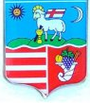

The population at the 2001 census was 1,409 people. Postal Code - 90261. Telephone code - 03141. It covers an area of 1,415 km². KOATUU code - 2120484401.
History
The village of Bene was founded by the Hungarians on the right bank of the Borzhava River (a tributary of the Tisza ). The first written mention of the village is in the deed of honor of the Hungarian king Bela IV (1206-1270). The name of the village of Bene, according to legend, was given by the Italians, which translates as "good."
In 1567 the village was plundered and devastated by the Tatars.
In 1593 the believers of the village, imbued with the ideas of the Reformation , moved into a new faith. Catholic temple becomes reformatory.
The local district is one of the warmest places in Transcarpathia. The village is famous for its winemaking and for its centenary wine cellars, which were cut through the white tuff of the surrounding hills in 1916 by prisoners of the Italian army. The temperature of the basements constant (12 ° —13 ° C) does not change under any weather conditions.
Attractions
- Church of the XV — XVIII centuries.
Local Council
90261, p. Bene Str. Rakoczy, 65, tel. 4-23-12.