After the NATO war against Yugoslavia and the transition of Kosovo and Metohija under the control of NATO troops throughout the region, the destruction of Serbian religious and cultural sites by local Albanians began [1] [2] [3] [4] . According to a letter from the Patriarch of the Serbian Orthodox Church of Pavel from 2002 to the Special Representative of the UN Secretary General in Kosovo, Michael Steiner and the Commander-in-Chief of the International Peacekeeping Forces in Kosovo ( KFOR ), General Marcel Valentin, more than 120 Orthodox churches were destroyed after the peacekeepers entered Kosovo, a number of which are of medieval origin and are part of the world cultural heritage [5] .
In 2004, the Vysokie Dečany monastery was listed as a UNESCO World Heritage Site . The frescoes of the monastery were described as "one of the most valuable exhibits of the Paleologian Renaissance in Byzantine fine art" and "a valuable reflection of the life of the fourteenth century." Two years later, in 2006, the heritage object was expanded, and two more Orthodox monasteries and one church were included in the list. Then they were inscribed on the list of World Heritage in jeopardy due to possible attacks by Albanians . All objects are protected by KFOR . At the same time, pilgrims can visit several monasteries and churches only with KFOR soldiers [6] .
| room | Photo to destruction | Photo after the destruction | Title | Description | Destruction |
|---|---|---|---|---|---|
| one. | Holy Trinity Monastery | Monastery of the Holy Trinity of the XIV century on the hill Rusinitsa 2 km south of Mushutishte. The first mention dates back to 1465 , in the ancient monastery there were a large number of manuscripts of the XIV-XVII centuries, including the hand-written Apostle of the XIV century. In the monastery there were a large number of ancient icons. | In June 1999, after the German forces of KFOR arrived in the monastery’s location area, the monastery was looted by Albanians. Soon, as a result of a fire engulfing all the buildings of the monastery, all the ancient manuscripts, as well as the icons in the monastery, were lost. On July 10, 1999, with the help of explosives, the main temple of the monastery was completely destroyed. | ||
| 2. |  | Church of the Blessed Virgin Mary | Church of the Virgin Hodegetria in the village of Mushutishte , built in 1315. The temple was built by Dragoslav an influential official of the time. The Temple of the Virgin of Hodegetria was of great cultural significance, the oldest clerical inscription located above the entrance to the temple was one of the oldest monuments of Serbian epigraphy . The frescoes of the temple painted in 1316–1320 were famous for their plasticity and typology and were some of the best in Serbian icon painting. In the altar of the temple was a unique fresco depicting St. Clement of Ohrid. | After the German KFOR forces arrived in the temple area in May 1999 and the Serb people fled, the temple was desecrated and plundered by local Albanians. The parish house and the priest's house were also robbed and burned, in July 1999 the temple was completely destroyed by an explosion. | |
| 3. | Monastery of St. Mark of Korish | The monastery of St. Mark of Korish was built on a rock located above the Korish river, 3 km from the village of Korish. The main temple of the monastery was built in 1467 and consisted of a single oil structure with a rectangular base. The temple had partially preserved ancient frescoes. In 1861, one of the benefactors of the monastery, Sima Andreevich Igumanov, built a stand-alone belfry of the monastery. In 1941, the Albanians tore the bells from the temple, Igumanov’s grave located in the monastery was repeatedly desecrated in the XX century. | After the German KFOR forces arrived in the monastery’s location area, the monastery was looted, desecrated and set ablaze by local Albanians. Soon the monastery was completely destroyed as a result of the detonation of explosives planted by Albanians. | ||
| four. | Monastery of the Holy Archangel Gabriel | The monastery of the Holy Archangel Gabriel was built in the XIV century, located 5 km from the city of Vitvin at the source of the Susica river. The monastery was known under the names "Binach" and "Buzovik". In the ancient monastery church there were two layers of frescoes; on a later layer of the 16th century, the faces of the bishops were depicted. In 1867, a priest was killed by Albanians in the monastery, after which the monastery was abandoned by the monks. At the beginning of the XX century, the monastery was restored. The monastery housed old utensils. | In the second half of June 1999, after the end of the NATO war against Yugoslavia and the introduction of KFOR forces in Kosovo, the Albanians broke into the monastery, desecrated it and plundered it. The decoration of the temple of the monastery was burned, fraternal buildings were also burned and destroyed. After the withdrawal of the American KFOR detachment, the monastery’s temple was completely destroyed as a result of the blasting. | ||
| five. |  | Devich Monastery | Devich Monastery was founded in the XV century , located near the village of Drenica. The main temple of the monastery of the Introduction of the Virgin was built by the despot Djurgi Brankovic in 1434 . The monastery was named after the despot’s daughter’s recovery and was named “maiden”, literally “maiden”. The monastery has preserved frescoes of the XV century. In addition to the image of St. St. John the Devic in the clothes of a great chemist with the inscription on the fresco “the first clerk of this place”, the face of St. Acacia, subjects "Wedding in Cana of Galilee" and "Healing of the Relaxed." In addition to this layer, there is a second layer of frescoes of the XVI century and the third of the XIX. The monastery had its own land estates, vineyards, houses and shops, mills, hotels, a bakery, a dairy - only 60 hectares of land and 250 hectares of forests. | After the arrival of the French contingent of KFOR troops in the monastery’s location area, UCHK militants broke into the monastery and desecrated, robbed and destroyed the monastery from June 12 to 14. In the monastery there were nuns with the confessor, Father Seraphim, who, for all these three days, were physically and mentally tormented, many received serious injuries. | |
| 6. | Monastery of St. Uros | The monastery of St. Urosh with the Church of the Assumption of the Blessed Virgin Mary was built by the Holy Queen Elena in the second half of the XIV century. The monastery is located in the village of Sharenik, west of the town of Gorne Nerodimle. Patriarch Paisius discovered the relics of St. King Urosh. 1649 dates the manuscript of the life of St. king created by patriarch Paisius. | At the end of June 1999, the monastery and church were completely destroyed by Albanian militants. | ||
| 7. | Monastery and Church of the Holy Archangels | The monastery and church of the Holy Archangels was built in the XIV century in the village of Verkhnyaya Nerodimle and was reconstructed in 1700 . The oldest layer of frescoes belongs to the XIV-XV centuries. | After the arrival of the American contingent of KFOR, the Albanians sacked, set on fire and blew up the monastery. They also cut down a gigantic black pine, which, according to legend, in 1336 the king Dushan planted. The monastery cemetery was desecrated, grave monuments were dropped and destroyed. | ||
| eight. | Church of St. Nicholas the Summer | The Church of St. Nicholas the Summer in the village of Nizhny Nerodimle was built in 1983 on the foundation of a lost ancient temple. | The temple was looted, burned and partially destroyed in 1999 after the arrival of the American contingent of KFOR forces. | ||
| 9. | Church of St. Stephen | The Church of St. Stephen in the village of Nizhny Nerodimle was built in 1996 on the foundation of a lost ancient temple. | The temple was looted, burned and completely destroyed in 1999 after the arrival of the American contingent of KFOR forces. | ||
| ten. | Church of the Introduction of the Virgin | The monastery church of the Introduction of the Virgin in the village of Dolac was built in the XIV century. One-nave building, rectangular at the base, with a semi-cylindrical vault and a semicircular apse. Before the destruction, two layers of murals were preserved in the temple, the oldest of which was attributed to 1620 . | In early July 1999, after the arrival of the Italian contingent of KFOR, the Albanians defeated the temple - they broke the holy throne into pieces, burned the inside. At that time, village churches in the vicinity of the cities of Klin and Jurakovac were destroyed and desecrated. In early August 1999, the temple was blown up to the ground. | ||
| eleven. | Church of St. Nicholas | The Church of St. Nicholas in the village of Slovinje at the foot of Zhegovac Mountain, 8 km east of the town of Lipljan, was built in the 16th century, and was destroyed in the 19th century. Restored in 1996. | In June 1999, the temple was desecrated and looted, after the arrival of the English contingent of KFOR troops on July 13, it was completely destroyed by an explosion. | ||
| 12. | Church of the Holy Apostles Peter and Paul | The Church of the Holy Apostles Peter and Paul in the city of Suva River was built in 1938, in the southern part of the city. Near the temple was a belfry. | In June 1999, the UChK took power in the city, after which the temple was partially destroyed and looted. On July 19, at one o’clock in the morning, despite the KFOR German forces station located 50 meters away, the temple was destroyed to the ground by an explosion. | ||
| 13. | Church of the Holy Trinity | Church of the Holy Trinity in the village of Petrich near the town of Pech was built in 1992 with donations from the Karic family. | In early July 1999, the temple was looted and desecrated, after which it was undermined, as a result of which significant damage was caused to the temple. In August 1999, as a result of a repeated explosion, the temple was finally destroyed. | ||
| 14. | Church of the Introduction of the Virgin | Church of the Introduction of the Blessed Virgin Mary in the village of Belo Pole, near the city of Pecs, XVI century. On the site of the ancient temple in 1866 a new church was built at the request of the Russian Tsarina Maria Alexandrovna. The church kept collections of ancient icons, books and utensils. In the temple was the Italo-Cretan icon of the Virgin with Christ of the 15th-16th centuries. | In June 1999, the Albanians desecrated and destroyed the temple, the Serbian population was forced to leave the village of Belo Pole, the last three Serbs were killed by UCHK militants. | ||
| 15. |  | St. Uros Cathedral | The cathedral church of St. Uros in the city of Uroshevac was built in 1929-1933 according to the project of the architect Joseph Mikhailovich from Skopje . The collection of icons contains samples of Serbian medieval painting. Here was the icon of the Holy Trinity, painted in 1896 by Joseph Radoevich from the city of Lazarpole. The church kept the discos of 1909, the lamp and the bell of 1912, the gifts of the pious Christians of the city of Kragujevec. The iconostasis was donated by King Alexander. | In 1999, the temple was set ablaze by Albanians. | |
| sixteen. | Church of St. Elijah | The church of St. Elijah in Vucitrna was built in 1834 in the eastern part of the city at the place where church utensils were found during excavations. The mural was made in 1871 by Blazh Damnyanovich, a zograf from the town of Debar. The carved wooden iconostasis was made in the 19th century. | In 1999, the church was desecrated, and the priest’s house was destroyed and burned. | ||
| 17. |  | Church of St. John the Baptist | The Church of St. John the Baptist, located in the village of Samodrezh, near the town of Vucitrn, is sung in epos as the “White Church of Samodrez”, in which Patriarch Spiridon communicated Serbian knights and Prince Lazarus on the eve of the Kosovo battle of 1389 . In 1932, on the foundation of the ancient church, a new White Marble Samodrega was erected according to the project of the professors of the University of Belgrade A. Deroko and P. Popovich. In 1981, Albanians desecrated the temple and damaged murals. | At the end of June 1999, the Albanians plundered and set fire to the temple, the bell tower was destroyed. Serbian graves near the temple were also desecrated. | |
| 18. | Temple of St. Paraskeva Friday | The Church of St. Paraskeva Friday in Drsnik near the city of Pecs was at one time dedicated to St. Nicholas the Wonderworker. The one-nave building with a semicircular apse, rectangular at the base, ends with a semi-cylindrical vault. The roof is covered with stone tiles. The walls are made of uneven rows of stone using plaster. The ancient painting is damaged. The temple was rebuilt in the 70s of the XVI century. Beautiful frescoes with rich colors have been preserved from this period. Thanks to the good technique, the murals are well preserved. On the eastern and western parts of the roof are two marble crosses. | In 1999, the temple was looted, set ablaze and seriously damaged by an Albanian bombing. | ||
| nineteen. | Church of the Blessed Virgin Mary | The Church of the Blessed Virgin Mary in the village of Naklo was built in 1985 on the site of a more ancient church. | After the arrival of the Italian contingent of KFOR forces, the temple was routed and set on fire. The Serbian cemetery is desecrated, the graves are open. | ||
| 20. | Church of the Holy Trinity | Church of the Holy Trinity in the village of Velika River, built in 1997. | After the arrival of the French contingent KFOR, the temple was destroyed, desecrated and set on fire. On August 19, 2000 the temple was completely destroyed by an explosion. | ||
| 21. | Church of the Holy Apostles | The Church of the Holy Apostles in the village of Petrovac was built on the site of an older church in the 20th century. | After the arrival of the American contingent of KFOR, the temple was destroyed and set on fire by Albanians. | ||
| 22. | Church of the Blessed Virgin Mary | The Church of the Blessed Virgin Mary in the village of Podgorce was lit in 1996. | After the arrival of the American contingent in 1999, the Albanians defeated and set fire to the temple. | ||
| 23. | Church of the Conception of St. John the Baptist | The construction of the Church of the Conception of St. John the Baptist in the town of Pechka Banya , a gift from the Raevich family, was completed in 1998. The authors of the project are Lyubisha Folich and Radomir Folich. The temple was painted by Dragomir Yashovich, the icons were painted by Dragoslav Pavel Aksentievich, Zdravko Vayagich laid out the mosaic, Bane Rakalich completed the polyeleos and crosses, the bells were cast at the Popovich foundry in 1832. | After the arrival of the Italian contingent, the temple was routed and set on fire. | ||
| 24. | Temple of All Serbian Saints | The Church of All Serbian Saints in the town of Djurakovac was built in 1997. | After the arrival of the Italian contingent, the temple was destroyed by Albanians. The parish house is destroyed and burned. | ||
| 25. | Holy Trinity Cathedral | The construction of the Holy Trinity Cathedral in the town of Dyakowice was begun in 1994, completed in 1998. The temple was erected on the foundation of the former five-domed memorial church. The old church was conceived as a mausoleum for the burial of the remains of those killed who died from hunger and cold of Serbian soldiers in the wars of 1912-1918. The construction of the first church was completed in 1940, but already in 1949, on the day of St. Sava of Serbia, the atheists destroyed it. Fifty years later, in the same place, the new temple will experience a similar fate. The temple in the town of Dyakowice was one of the most beautiful church buildings. The authors of the project are Lyubisha Folich and Radomir Folich. The most significant benefactor was Momchilo Stanoevich | Immediately after entering the KFOR Italian contingent, local Albanians began desecrating the temple located in the very center of the city. The valuable Greek mosaic of the Holy Trinity over the central portal was broken into small pieces. The interior of the temple was burned and desecrated. The walls were covered with inscriptions and vulgar drawings. In the end, the temple was blown up on July 24-25, 1999, despite the constant requests of representatives of the Serbian Church to KFOR to ensure the safety of this shrine. | ||
| 26. | Church of St. Nicholas | The Church of St. Nicholas - “Nikolacha” - is located on a meadow on a hill in the old Serbian village of Osoyan on the Kuyavche River, 8 km southeast of the town of Istok. The place of Osoyane was mentioned by King Milutin in a letter to the monastery of Banska in 1314. The names of the Serbs of philanthropists from this village are recorded in the castić monastery of Devic from 1761-1779. | After the arrival of the Italian contingent in mid-June 1999, the temple was desecrated and destroyed. | ||
| 27. | Church of St. Elijah | The Church of St. Elijah with a bell tower in the village of Bistrazhin, on a hill near the Schwan Bridge, 8 km east of the town of Dzhakovitsa, was built partially from ashlar. The temple was built between the two wars in 1930 on the foundation of an old church. In April 1941, the Albanian fascists set fire to and destroyed the temple. The church was restored in 1991 by the zeal of Momchil Stanoevich. | After the arrival of the Italian contingent KFOR, the Albanians threw grenades at the temple, which led to severe damage. | ||
| 28. | Church of St. Demetrius | The Church of St. Demetrius in the Serbian village of Siga, at the foot of Mount Rusolia on the Metohi Upland, 7 km north of the city of Pecs, was restored in 1937 on the foundation of an old church of the 14th century, which was considered to be older than the monastery of Decani. A copy of a wrought iron floor candlestick was found in the old church. During the construction of a new church, an antechamber was added. Albanians destroyed the temple in 1941; at the end of the 20th century, the temple was restored again. | In 1999, the temple was again completely destroyed by the Albanians. | ||
| 29. | Church of St. Elijah | Church of St. Elijah in the village of Zhegra, 10 km south of the city of Gnilane, at the foot of the northern part of the Skopsk Montenegro massif. The temple was built in 1930 on an ancient foundation. | After the arrival of the American contingent of KFOR, the surrounding Albanians destroyed and burned the temple in June 1999. Two buildings belonging to the church were burned, and crosses and monuments were broken in the cemetery. The Serbian population was expelled from the village. | ||
| thirty. | Church of Saints Cosmas and Domian | Church of Saints Cosmas and Domian in the village of Novake, restored in 1991 . | After the arrival of the German contingent of KFOR, Albanian extremists defeated and set fire to the temple. There have been several attempts to blow up the church. The graves near the temple are destroyed. | ||
| 31. | Church of the Introduction of the Virgin | The Church of the Presentation of the Blessed Virgin Mary in Veliko Krushevo is located near the town of Pecs in the Serbian village of Hvosno, 7 km to the north-east of the city of Klin. Residents of the village in 1980-1981 built a new temple on the foundation of an ancient church of the XIV century. The initial temple was erected by the sister of Stephen Dechansky, her granddaughter was the nun Euthymius. A marble tombstone with the inscription “Rabe Marena” of the second half of the 14th century has been preserved in the floor of the temple. | After the arrival of the Italian contingent of KFOR, Albanian extremists hacked and desecrated the ancient, restored temple in Krushevo, and then set it on fire. | ||
| 32. |  | Zochishte Monastery and the Church of Saints Cosmas and Domian | The 14th century Zochiste Monastery is located 5 km southeast of the city of Orahovac. The monastery has existed since the time of the independent state of Nemanichi. The temple contained valuable frescoes: images of prophets relating to monuments of monumental painting of the 12th-14th centuries. The monastery housed a large collection of icons, books (including Minea from Zochishte of the 15th century) and church utensils. | After the arrival of the German contingent of KFOR, the Albanians robbed and destroyed the monastery. The temple was completely blown up in September 1999. | |
| 33. | Church of St. John | Parish Church of St. John in the village of Grmovo, 4 km west of the city of Vitin. | After the arrival of the American contingent of KFOR, the temple was burned down by Albanians, and then completely destroyed by an explosion on July 25, 1999. | ||
| 34. | Church of St. Nicholas | Church of St. Nicholas in the village of Kiev, 15 km from the city of Klina. The XIV century temple is a one-nave building with a hemisphere vault and a semicircular absid. The attached narthex was painted in 1602. Three censers of the 17th century, nine icons of the second half of the 16th century, a rich collection of manuscript books were stored in the temple. Among the icons was the icon of the holy Apostle Thomas with a very rare type of full-length depiction of him with scenes from his life. The bell tower was attached to the church in the 19th century. | Albanians blew up the church in July 1999 after the arrival of the Italian contingent KFOR. The church is completely destroyed. Crosses and monuments are broken in the cemetery. | ||
| 35. | Temple of St. Mark the Evangelist | The Church of the Holy Evangelist Mark was built in the city of Klin on the foundation of the old church of the Introduction of the Blessed Virgin Mary of the 16th century. From the old church, a plate of the holy throne has been preserved. The place is mentioned in the letters of Stefan Nemanich the First-Crown of 1200-1202. | Albanians blew up the temple in June 1999. | ||
| 36. | Church of St. Nicholas | The Church of St. Nicholas in the village of Lyubizhda near the city of Prizren was built in the 16th century, restored in 1867. Icons from the destroyed surrounding churches were brought here. Among these icons are the icons of the Annunciation, Meetings of Joachim and Anna of the 16th century, as well as the Royal Doors of the 16th century. The church holds rivets used instead of bells, a banner with the icon of the Blessed Virgin Mary with a lace linen cloth about 7-8 meters long, a wooden chalice, books, altar icons, a triptychone icon, an eight-sided choir with inlaid nacre and carving on the bone, a copper baptismal table , a cross with filigree and an inscription of the 19th century. | After the arrival of the German contingent of KFOR, the temple was looted, set on fire and then partially destroyed. The parish house was robbed and burned. | ||
| 37. | Church of the Holy Prophet Elijah | The Church of the Holy Prophet Elijah in the village of Lubija in the Prizren foothills, 4 km northeast of the city of Prizren, was restored in 1979 on the foundation of the 16th century . | The church was robbed, disfigured, burned and blown up by the Albanians after the arrival of the German contingent KFOR. The Christian cemetery near it is desecrated. | ||
| 38. | Temple of St. Paraskeva Friday | The Church of St. Paraskeva Fridays in the village of Dobrčany is located 10 km east of the city of Gnilane, on the way to the Kosovo Kamenice. Built after the First World War on the foundation of an old church. | At the end of June 1999, the Albanians burned the church, as a result of which the roof was destroyed. | ||
| 39. |  | Cathedral of Christ the Savior | The Cathedral Church of St. Savior (new) in Pristina is a single-domed building with a base in the shape of an inscribed cross. This type of temple construction appeared at the very beginning of the Middle Ages, in particular in Byzantium. The author of the project is Spaso Krunich. On the foundation of the ancient temple of St. Savior of the time of St. King Lazarus in Pristina is the Pirines mosque. In Pristina there were 12 churches and monasteries. In the XIV century. King Milutin, Stefan Decansky, despot Stefan Lazarevich and Vuk Brankovich had palaces in Pristina. | In the area of responsibility of the English contingent of KFOR in Pristina, the Albanians first tried to set fire to the temple in June 1999, and on August 1, 1999, at one in the morning, two explosive devices of four planted by Albanians went off. The temple building is seriously damaged. | |
| 40. | Church of St. Elijah the Prophet | The Church of St. Elijah the Prophet in the village of Smach in the Prizren field, 10 km north of the city of Prizren, was built in 1994 with funds from Zhivko Dzhorzhevich. The author of the project is Miloslav Lukic. | After the arrival of the German KFOR contingent, Albanian extremists set fire to, destroyed and blew up the interior of the temple in July 1999. | ||
| 41. | Church of St. Basil the Great | The Church of St. Basil the Great in the village of Gornia Srbica, near Prizren, was built in 1863 , on a southern hill between eight centuries-old oaks on the ruins of an old church. The church is one nave. The church was a collection of icons and books of the XVII-XIX centuries. | The Albanians burned, and then completely destroyed the temple in 1999. | ||
| 42. | Temple of St. Paraskeva Friday | The single-domed church of St. Paraskeva Fridays in the village of Zaskok in the southern part of the Kosovo Basin, 3 km southwest of the city of Uroshevac is built of white brick and stone. In the village in 1936 and in 1970-1973, the remains of a medieval church and necropolis of the X - XIV centuries , as well as a stone icon of the XIV century and much more. | In early July 1999, the temple was mined and destroyed despite the presence of the American contingent of KFOR troops. | ||
| 43. | Church of St. Nicholas | Church of St. Nicholas in the village of Gatne, in the southern part of Kosovo fields, 6 km south of Uroshevac, east of Gornja Mahaly, was built on an old foundation in 1984 . | Albanians robbed and destroyed the temple in the summer of 1999. | ||
| 44. | Church of the Blessed Virgin Mary | The Church of the Blessed Virgin Mary was located in a valley under the village of Gorne Nerodimle on the low hill of Glavitsa. Built in 1925 on the remains of an old church with the same name. In 1982, Albanians broke into the temple and desecrated relics. | At the end of June 1999, the temple was completely destroyed by Albanians. | ||
| 45. | Church of the Holy Prophet Elijah | The Church of the Holy Prophet Elijah in the village of Nekodim, 2 km southeast of the city of Uroshevac, was built on an old foundation, expanded during the 1975 reconstruction. | In 1999, the temple was destroyed and set ablaze by Albanians. | ||
| 46. | Church of the Holy Apostles Peter and Paul | Church of the Holy Apostles Peter and Paul in the village of Talinovac, 2 km to the north of the city of Uroshevac. | The temple was destroyed and set on fire; the cemetery at the temple was desecrated. | ||
| 47. | Church of the Holy Trinity | Church of St. Trinity in the village of Bablyak is located 8 km north of the city of Uroshevac. Locals reconstructed the old church, and in 1996 they added a beautiful bell tower. | Already after the arrival of the American contingent of KFOR, the Albanians broke in and desecrated the temple, the interiors of the temple were destroyed and set on fire. The graves near the temple are destroyed. | ||
| 48. | Church of the Nativity of the Blessed Virgin Mary | The Nativity of the Blessed Virgin Mary Church in the village of Softovic 6 km from the city of Uroshevac was built between the two world wars. | in 1999, the church was burned and destroyed by the Albanians after the arrival of the Americans. | ||
| 49. | Church of the Holy Prophet Elijah | The Church of the Holy Prophet Elijah in the city of Kachanik, built in 1929 , successfully combines the proportions of the structure and the solution of the facades of the monasteries Kalenic and Gracanica. The stone carved cross on the dome and the cross above the portal are made in the style of the Moravian school. Impressive rich carvings and rosette and archivolt above the entrance. Patriarch Barnabas, when he was Metropolitan of Skopje , presented the church with a bell. The author of the project is the Serbian architect of the first half of the 20th century, Milan Korunovic. | The temple was desecrated by the Albanians after the arrival of the Americans, the temple was robbed and set on fire. | ||
| 50. | Church of the Blessed Virgin Mary | Church of the Blessed Virgin Mary in the village of Korisha near Prizren. The single-domed church had numerous frescoes stylistically attributed to the 16th – 17th centuries. The frescoes were in a high degree of preservation, with the exception of the face of the Savior and the Virgin, riddled with bullets of Albanians. The church contained icons of the 19th century, as well as ancient utensils. | After the arrival of the German contingent, this church, as well as the remains of the bell tower nearby, were completely destroyed by the Albanians. The cemetery at the temple was also destroyed. | ||
| 51. | Temple of St. Jeremiah | The Church of St. Jeremiah in Grebnik was built in 1920, the site of the old church. | The temple was destroyed to the ground and razed to the ground with a bulldozer despite the presence of the Italian contingent KFOR. | ||
| 52. | Church of the Holy Prince Lazarus | The temple of the Holy Prince Lazarus was built in 1969 in the village of Kosa on the left bank of the Kuduzhtsa River. | Stone crosses and tombstones in the old cemetery were destroyed by Albanians, the doors in the temple were broken, as well as the interior of the church. | ||
| 53. | Church of the Holy Trinity | The Church of the Holy Trinity in Zhitinje near Vitina was built in 1980. During the construction, elements of the older church of the Blessed Virgin Mary were discovered that were included in the new building. | After the arrival of KFOR forces, the Albanians tried to burn the temple, throwing it with incendiary mixtures through the windows. | ||
| 54. | Temple of St. Paraskeva Friday | Church of St. Paraskeva Fridays restored on the site of an old church in the vicinity of the village of Klokot. | After the arrival of the British contingent of KFOR troops, the Albanians set fire to the interiors of the temple, and then mined it. | ||
| 55. | Church of St. Lazarus | The Church of St. Lazarus near the Belichnitsa River in the village of Belitsa, 13 km southeast of the town of Istok, was built in the 14th century, restored and rebuilt in the 16th, 17th, 18th and 20th centuries. Around the church were an old and new cemetery. | The temple was looted and burned by the Albanians after the arrival of the Italian forces of KFOR. | ||
| 56. | Temple of the Prophet Elijah | The Church of the Prophet Elijah in Pomazatin on the left bank of the Drenitsa River, 12 km west of Pristina. The temple was built in 1937. | After the arrival of the English forces of KFOR, the temple was burned by Albanians, as a result of which the roof collapsed. Part of the church collapsed as a result of the demolition. | ||
| 57. | Church of St. George | The Church of St. George in the Mine near Srbica was built in the XIV century, reconstructed in the XVI century during the reign of Patriarch Makarii Sokolovich , the frescoes of the temple date from the same period. | After the arrival of the French contingent, the temple was routed and set ablaze by Albanians. The stone arches of the roof, the altar, as well as the bell tower, were destroyed by an explosion. | ||
| 58. | Church of the Holy Trinity | The Holy Trinity Church in the village of Donji Ratis was erected in 1935 , but in 1941 was destroyed by the fascist Albanians. It was again built in 1992, between 1996 and 1998, about seven Albanian attacks were committed on the church. It was completely burned and destroyed with the use of explosive devices after the arrival of Italian troops KFOR. | After the arrival of the Italian forces of KFOR, the church was burned and completely destroyed by an explosion staged by the Albanians. | ||
| 59. | Church of the Holy Apostle Luke | The Church of the Holy Apostle Luke was erected in 1912 in the village of Vitomiritsa, 5 km north-east of the city of Pecs. The single-domed church was built of marble and had a trefoil base. The Montenegrin army liberated this area from the Turks on St. Luke's Day. Near the church was a well-kept cemetery. | The church was barbarously desecrated, set on fire and destroyed after the arrival of the Italian forces of KFOR. | ||
| 60. | Temple of the Prophet Elijah | The temple of the Prophet Elijah in Poduyev was built in 1930, during the Second World War the fascist Albanians destroyed the dome and desecrated the temple. By 1971, the temple was restored. | After the arrival of the English contingent of KFOR, the temple was desecrated, the decoration of the temple was destroyed. Soon the temple was destroyed. | ||
| 61. | Church of the Holy Apostles Peter and Paul | The Church of the Holy Apostles Peter and Paul “The Royal Church” was built on the hill Kraljevica in the village of Gorna Pakashtitsa. The first church on this site was built in the XIV century, the new one was restored on the site of the old one in 1925 . | The temple was desecrated and defeated, as was the cemetery near the temple. | ||
| 62. | Chapel at the Serbian cemetery in Kosovsk Mitrovica | A chapel in the Serbian cemetery in Kosovsk Mitrovica was built on the site of an old Serbian church in the existing cemetery. | After the arrival of the French contingent of KFOR troops, the cemetery was destroyed and desecrated, many crosses and tombstones were destroyed, the chapel was also desecrated. | ||
| 63. | Church of the Holy Apostles Peter and Paul | The Church of the Holy Apostles Peter and Paul in the town of Istok was built in 1929, the iconostasis was created with the assistance of Patriarch Barnabas . During the Second World War, the walls of the temple were used by the Albanian fascists as a prison for the maintenance of the Serbs of the inhabitants of Istok and the surrounding villages which were then sent to work in Albania and the Italian islands. | Храм был осквернён и подожжён албанцами после прихода итальянского контингента войск КФОР. | ||
| 64. |  | Храм святого Николая | Храм святого Николая в Призрене известен также как церковь царя Душаша при монастыре святых Архангелов построена в 1348 году . Древний храм существовал до 1795 года когда Махмуд-паша Бусатлиджа разрушил его. Храм был вновь восстановлен в 1857 году. В храме хранилась икона Богородицы Одигитрии XIV века, а также икона святого Илии в пещере XVI века. | Несмотря на присутствие немецкого воинского контингента КФОР церковь была заминирована 20-ю взрывными устройствами из которых сработали только 5, причинив значительный ущерб храму. Позже церковь была полностью разрушена. | |
| 65. | Cathedral of Christ the Savior | Храм Христа Спасителя в Дворане был построен близ Мушутиште у подножия горы Русница в 7 км к юго-востоку от города Сува Река | Храм был разрушен в 1999 году несмотря на присутствие немецкого контингента сил КФОР. | ||
| 66. | Храм святого Илии пророка | Храм святого Илии пророка в селе Локвице в 8 км к востоку от Призрена. хХрам был возведён в 1866 году на фундаменте более древней церкви, в храме имелось богатое собрание икон XIX века. | Храм был осквернён и заминирован несмотря на присутствие немецкого контингента сил КФОР. | ||
| 67. | Храм святого князя Лазаря | Храм святого князя Лазаря в Пискоте близ Джаковицы была построена в 1991—1994 годах. в Piskote вблизи Джяковицы | После прихода итальянского контингента сил КФОР церковь была разграблена и осквернена. В храме была разбита мозаика, были похищены все иконы и иконостас, также с храма был сброшен крест. Приходской дом был подожжён и частично разрушен. | ||
| 68. | Храм святой Параскевы Пятницы | Храм святой Параскевы Пятницы в Бинач, в 4 км к югу от Витины. Храм был построен на фундаменте более древней церкви в 1973 году . | Албанская террористическая организация УЧК взорвала храм несмотря на присутствие американского контингента войск КФОР. | ||
| 69. | Храм святой Параскевы Пятницы | Храм святой Параскевы Пятницы в Гойбулье на горе Капаоник в 3 км к северо-востоку от Вучитрна . Храм был построен рядом со старым сербским кладбищем XVIII века на развалинах древней церкви. Сохранившиеся элементы древней постройки были включены в новую. Храм имел прямоугольное основание с полукруглой апсидой и небольшим притвором. На старых стенах под штукатуркой были обнаружены древние фрески. После французских солдат КФОР приехал, церковь была варварски разрушены, разграблены, осквернены и подожгли, албанские экстремисты, в июне 1999 года. Приходском доме также было разграблено. | После прихода французского контингента сил КФОР храм был варварски разграблен, осквернён и подожжён, интереьеры храма сильно разрушены, лики святых в росписи храма расстреляны. Приходской дом также разграблен. | ||
| 70. | Храм святого Николая | Храм святого Николая в Штимлье в 29 км к юго-западу от Приштины у подножия горы Црнольева. Храм построен в 1926 году у древнего сербского кладбища на фундаменте более древней церкви. | Несмотря на присутствие британского контингента войск КФОР церковь была ограблена и осквернена. | ||
| 71. | Храм архангела Михаила | Первой мировой войне. Храм был построен по проекту Княгиньи Любицы первой женщины архитектора Сербии Елизаветы Начич. Рядом с церковью находился приют для девочек. Церковь была реконструирована в 1977 году. | Храм был разгромлен и осквернён албанцами несмотря на присутствие английского контингента сил КФОР, лики святых в храме расстреляны и обезображены. | ||
| 72. | 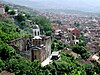 | Cathedral of Christ the Savior | Храм Христа Спасителя в Мечичева Махала в Призренском уезде у подножия горы Икона в 11 км в юго-востоке от Сува Река. | После прихода немецких сил КФОР храм был разграблен и подожжён. | |
| 73. | | Храм святой Параскевы Пятницы | Храм святой Параскевы Пятницы около Мушутиште. | Храм был разграблен, осквернён и подожжён албанцами после прихода немецкого контингента войск КФОР. | |
| 74. | Храм святых Архангелов | Храм святых Архангелов в Мушутиште | Храм был подожжён и частично разрушен после прихода немецкого контингента войск КФОР. | ||
| 75. |
| Мемориал на Косовом поле | Мемориал на Косовом поле был возведён в честь погибших сербов в Косовской битве состоявшаяся 15 июня 1389 года в день святого Витта (Видов дан). Мемориал выполнен из камня в виде средневековой башни и украшен бронзовыми плитами со стихами восхваляющими сербских воинов. В верхней части мемориала находится барельев с изображением сцены битвы. | Мемориал был серьёзно повреждён в результате взрыва устроенного албанцами несмотря на присутствие британского контингента войск КФОР. | |
| 76. | Храм в селе Горный Закут. | Храм в селе Горный Закут в 10 км к северу от Подуево. | Храм был полностью уничтожен в результате поджога несмотря на патрулирование района британским контингентом КФОР |

See also
- Монастыри Сербской православной церкви в Косове и Метохии
Notes
- ↑ Гуськова Е.Ю. История югославского кризиса (1990-2000). — М. : Русское право/Русский Национальный Фонд, 2001. — С. 685. — ISBN 5941910037 .
- ↑ Культурное наследие, уничтоженное в период 1999—2004 гг. (серб.) . Дата обращения 20 февраля 2016.
- ↑ Религиозные и культурные объекты, уничтоженные в марте 2004 (серб.) . Дата обращения 20 февраля 2016.
- ↑ Dozens of Churches Destroyed in Kosovo (англ.) . Дата обращения 20 февраля 2016.
- ↑ Сербская Православная Церковь просит защитить древние храмы в Косове и Метохии . Date of appeal September 27, 2014.
- ↑ Косовско-метохијски манастири (серб.) . Дата обращения 27 сентября 2014. Архивировано 6 октября 2014 года.
Links
- Slobodan Curcic. Destruction of Serbian Cultural Patrimony in Kosovo: A World-Wide Precedent? . // Journal of the North American Society for Serbian Studies 14(2): 125-31, 2000.
- Destroyed or damaged Serbian Orthodox churches and monasteries in Kosovo and Metohija (June 13 — October 1, 1999) . Serbian Orthodox Church.
- Paul Watson. Christian Sites Being Decimated in Kosovo : Balkans: Serbs accuse ethnic Albanian rebels of systematically destroying places sacred to Orthodox . // LA Times, September 22, 1999.
- Kosovo rioters burn Serb churches . BBC , 18 March, 2004.
- Alex Todorovic and Charles A. Radin. Serbs' Kosovo heritage in peril . // Boston Globe, July 29, 1999.
- Религиозные и культурные объекты, уничтоженные в марте 2004 (серб.) . Дата обращения 20 февраля 2016.
- Культурное наследие, уничтоженное в период 1999—2004 гг. (серб.) . Дата обращения 20 февраля 2016.
- List of destroyed Orthodox churches in Kosovo in the summer and fall of 1999 (Serb.) (Inaccessible link) . Date of treatment February 20, 2016. Archived April 1, 2016.
- Dioceses of Rasko-Prizren and Kosovo-Metohiisk, Raspeto Kosovo