The epistem (from the Greek ἐπιστήμη “knowledge”, “science” and ἐπίσταμαι “know” or “know” [1] ) is the central concept of the theory of the “archeology of knowledge” by Michel Foucault , introduced in the work “ Words and things. Archeology of the Humanities "(1966).
General characteristics
An epistem is a historically determined cultural-cognitive a priori [K 1] , a set of rules and relationships in a particular place and time. The episteme defines the conditions for the existence of historical forms of culture and knowledge [3] [4] . The episteme includes a set of discursive practices that create the apparatus for the production of knowledge [4] . Foucault introduces a distinction between knowledge and cognition (Fr. savoir and connaissance , English. Knowledge and knowing ); the epistemic level (knowledge) precedes scientific discourses (cognition) and makes their existence possible: Foucault's “archeology” studied not superficial changes, but deep-seated events [5] . The episteme is not a body of knowledge or research features of any era, does not have universal significance, but, on the contrary, is strictly limited to the discourses studied [6] [7] . A discourse is a collection of statements that exist in a speech or letter, obeying certain rules and meeting certain criteria [8] [9] . Foucault relied on the ideas of structuralism and the "historical epistemology" of Gaston Bashlyar [3] . On the one hand, an episteme is a hidden and deep structure of thinking of a certain culture that forms a supra-individual order: fundamental language codes, perception patterns, hierarchies of practices. On the other hand, “archeology” abolishes the traditional approach to the history of ideas, linear history, since it offers gaps between historical periods, epistems; archeology does not study the general course of the history of knowledge, but extracts its hidden forms [10] .
The epistem is based on hidden structures that determine the order in which “things” are embodied in “words”; structures of discursive practices vary depending on the level of organization of thinking or culture [11] . Important properties of the episteme are the relationship between its elements and synchrony [12] . The archaeological method allows us to detect the structure of the episteme in the analysis of various cultural phenomena [4] [3] , which allows us to identify “configurations that appear in space that have led to all kinds of empirical knowledge” [11] . As a system of invisible rules, the episteme not only defines the “order among things”, but also allows one to explain the appearance of certain forms of knowledge in a given historical period [1] . Cognition is considered outside the criteria of rationality or objectivity; instead of studying the constant progress of knowledge, Foucault explores the conditions for the possibility of knowledge [11] .
Researcher V.P. Vizgin writes that the introduction of the episteme was aimed at overcoming a rationalistic and objectivist approach to the history of ideas [3] . According to researcher Gary Gatting, Foucault set himself the task of understanding the place and cognitive status of the humanities in the epistemological field of modern knowledge, which required the study of forms of knowledge and their place in modern culture [13] . Gatting highlights four key points of Foucault's. Firstly, different concepts of knowledge corresponded to different historical periods. Secondly, this or that concept of knowledge determined the vision of the connection of things and their ordering. Thirdly, since knowledge is always a matter of formulating truths about things, the nature of knowledge depends on the nature of the signs used to formulate truths. Fourth, since linguistic signs play the most important role in building truths, the nature of knowledge depends on the language concept of a particular era. A set of similar approaches to ordering the world, language and signs constitutes an epistemic [13] .
Three Epistems of the New Age in Words and Things
Foucault identified three epistems in modern times: the Renaissance ( Renaissance , XVI century ), classical (XVII — XVIII centuries) and modern (from the turn of the XVIII — XIX centuries to the present) [11] [K 2] . For various epistems, various cognitive attitudes were characteristic. This approach to history is close to the concept of Claude Levy-Strauss , in which some structures are successively replaced by others [12] . The history of discourses is not a history of linear and progressive changes; the transition from one episteme to another occurs through discontinuities and discontinuities, although the mechanism of transition remains unclear. Structural changes are not controlled: Foucault speaks of a “mysterious deep event” [5] [12] . A particular scientific discipline is closer to other sciences within the framework of the episteme than to the discipline that it replaces or precedes [15] . Gaps play a fundamental role, since they show the independence of epistems from each other [16] . In contrast to Bashlyar’s epistemological gap, which separated science and unscientific knowledge and retained the separation of subject and object, the breaks in Foucault belong to his own subject of his archeology - knowledge that exists in discursive practices [17] . Foucault discovered two key gaps - in the middle of the XVII century (the beginning of the classical era) and in the last third of the XVIII - beginning of the XIX century (the threshold of modernity) [18] [19] .
Epistle of the Renaissance
During the Renaissance, a cosmological vision of the world reigned in which everything was capable of self-regulation [10] : “the world closed on itself: the earth repeated the sky, faces reflected in the stars, and the grass hid secrets useful to humans in their stems” [8] . Cognition was based on the principles of similarity, the similarity of language and the world, words and things, which was expressed in the forms of “fit”, “rivalry”, “analogy” and “sympathy-antipathy” [3] [8] . These forms provided the conditions for knowing things. Importance ( lat.convenientia ) meant a spatial neighborhood, which mutually caused similarity: things were similar because of the neighborhood, and came together because of the similarity [7] . The world consisted of the universal fit of things, as, for example, in the case of the soul and body, which were likened to each other. The second kind of similarity is rivalry (lat. Aemulatio ), not related to proximity in space. Rivalry determined the similarity of things at a great distance without their connection and rapprochement. So, the face competed with the sky, the human mind was an imperfect reflection of divine wisdom, in the parts of the face (eyes, nose, mouth) the figures of the gods were reflected. Like importation, rivalry united the world into a single whole, in which rival concentric circles reflected each other. If fit and rivalry affected the properties of things, then analogy is a relationship, more subtle and less obvious connections between things. An analogy put a person at the center of world relations [20] . Finally, sympathy was the principle of spatial movement and qualitative changes: heavy bodies fall to the ground, and light bodies move into a weightless ether. As a result of external mobility, an internal change in the properties of things also arises; thus, fire, rising into the air, undergoes a series of transformations and becomes air. Antipathy interferes with the complete assimilation and mixing of things (for example, natural hostility between animals or the negative effects of medicinal herbs); the movement and dispersal of “sympathy - antipathy” give rise to and explain the other forms of similarity [21] .
In the Renaissance episteme, the signs by which similarities were known were themselves similarities, signatures ; a sign of sympathy could be an analogy, a sign of analogy could be rivalry, a sign of rivalry could be a fit, etc. [22] The system of the world and the system of signs were identical: they had the same structure of interconnected similarities. The knowledge of signs as such (“semiology”) coincided with the knowledge of the world through signs (“hermeneutics”) [22] . Cognition of the world of similarity leads to redundancy and, consequently, the wretchedness of knowledge, since in order to reveal and make reliable surface similarities or analogies, it is necessary to study the entire endless chain of signs in the world: accurate knowledge requires the constant accumulation of confirmations depending on each other [23] [24] . The problem is partially solved by the doctrine of reflection of the macrocosm in the microcosm, which sets the limit for the endless play of similarities and ensures stability and absolute isolation of the world (sphere), where the similarities unfold; Foucault notes that the doctrine, however, does not belong to the key features of the Renaissance episteme, but is only a “surface effect” [25] [26] . Foucault considers the equal position of magic (divination of natural events), erudition (deciphering of ancient texts), and what can be described as scientific rationality to be another important feature of this episteme. Magic and erudition are deeply rooted in the structure of Renaissance knowledge, and are not a mere remnant of pre-scientific thinking; as, for example, Paracelsus ' thesis about Greek words that drive away snakes, or the attitude to ancient Greek and Roman texts as a combination of signs left by God to know the truth [27] .
Finally, Foucault examines the status of language in the Renaissance episteme. On the one hand, language was one of the “figures of the world,” and, therefore, part of the universal world of similarities, and required decryption, like any other thing; on the other hand, since the language was associated with signatures, signs of physical objects, its written form took precedence [28] [24] . This circumstance had two consequences. Firstly, the inability to distinguish between "seen and read"; thus, the texts of the naturalist Aldrovandi represent a combination of correct descriptions, borrowed quotes and fiction; as Gary Gatting writes, Foucault did not argue that the Renaissance naturalists, in principle, did not distinguish myths from reality; the distinction between myths and observations was erased in writing [29] . Secondly, the central role in the episteme was played by comments aimed at finding the original text (divine revelation) [30] [26] . As the commentary was also a language, it needed commentary, which led to an endless process of commenting and interpretation - the search for an endless chain of similarities [31] [26] .
Epistem of the classical era
The break with the Renaissance episteme marked the transition from similarity to an analysis of order based on identity and difference. There was a representation (representation) of the world - a sign structure that led to the emergence of Descartes , Hobbes , Leibniz systems, the mathematization and mechanization of nature, the emergence of disciplines such as Por-Royal's “universal grammar” , “natural history”, and “wealth analysis” [10] . Foucault noted two key changes in the structure of knowledge. First, the process of obtaining it is changing: the place of identification of similarities is occupied by analysis. Secondly, classical knowledge implies completeness, completeness, all elements in the world can be fully understood and counted [32] . The classical episteme is already evident in F. Bacon , however, is fully represented in the "Rules for the Guidance of the Mind" Descartes in this treatise, similarities are seen as errors, not objects of cognition [33] . For Descartes, likenesses no longer express the true order of things; the elements of reality are now connected through identity and difference and are grouped in a series using a single measure order. The world becomes a mathematical system, and cognition becomes an algebra; the basis of the classical episteme is mathesis - the universal science of order and measure, which makes it possible to comprehend and compare the homogeneity or equivalence of even incommensurable things [18] [34] [26] .
Foucault identifies three properties of signs in the classical episteme. Firstly, signs are no longer objects of the external world, as in the Renaissance, but become internal elements, characteristics of knowledge itself: reliability or probability are internal properties of signs. Secondly, signs are now essentially related to analysis, and in two ways: the sign is both an analysis tool and its result. Thirdly, signs are now established “by agreement”, and not “by nature,” that is, they become conventional [35] . The fundamental ontological separation between signs (ideas) and the world, however, does not contradict the direct connection between them in the form of representation, the only function of the sign [36] [K 3] . Language as a combination of characters is now part of the representation, and not "one of the figures of the world." Erudition and commentary are replaced by analysis and criticism [38] [26] . A vivid example of the transition from the Renaissance to the classical epistemic is “ Don Quixote ” by Cervantes : if in the first part of the book Don Quixote believes that what he read in books is compatible with reality, then in the second part the hero meets people who perceive him as a character in the book; here language becomes a system of representation [39] . The main goal of knowledge - the creation of a “universal science of order” - was realized in the form of tables, combinatorics, calculi, probabilities, in which simple elements formed complex components. In the structure of the classical episteme, Foucault singled out three elements that form the configuration of knowledge: matesis (ordering of simple objects), taxonomy (ordering of complex objects) and genesis or genetic analysis - the process of ordering itself, which provides philosophical foundations for all classical knowledge [40] . Foucault analyzes three empirical areas of knowledge: the universal Por-Royal grammar, natural history, wealth analysis (all three disciplines are inscribed in the taxonomy) [41] [19] .
The “universality” of grammar consists in its decisive role for all the rules of the language. Foucault notes four properties of a representative function of a language: attribution, articulation, designation, derivation; all of them are concentrated around the central element of the epistem - the name [42] . Sentences can be connected through an attribute relationship only under the condition of naming, articulation is the process of developing your own names, designation refers them to objects, and derivation changes the meaning of names. Thus, the proper name of things is a condition for judgments about truth and falsity [43] . Natural history arises from the separation of signs and the world, the distinction between knowledge and statements about things. According to Foucault, the idea of natural history consists in an attempt to represent things as accurately as possible, to reduce the distance between language and the world; which leads to the "naming of the visible", its reflection in the language [26] [44] . Natural history studies the “extent” (space) of the world through categories of form, quantity, ratio and magnitude [26] . The task of natural history was the language classification (taxonomy) of any living creatures [45] [K 4] . Placing the studied creatures in the tables of identities and differences was carried out in two ways: the system specified a small number of elements (attributes) of creatures in an arbitrary way (Linnaeus), and the method , on the contrary, clearly described the elements, but the types of creatures were randomly selected (Adamson, Buffon) [47] [ 48] . Foucault concludes that, contrary to traditional approaches in the history of science, natural history differed from modern biology in its approach to the concept of life , and not simply in the absence of the idea of evolution. According to his radical thesis, neither life nor biology existed until the 19th century [49] . Similarly, the analysis of wealth in the classical episteme is not a continuation of Renaissance thought or an anticipation of the political economy of the 19th century, but constitutes an autonomous field of knowledge. In contrast to the Renaissance approach, in which money had intrinsic value and was itself wealth, in the classical era, money became a function, an instrument for representing wealth, the value of other things [50] [47] . Both mercantilists (Condillac, Galiani, Gralen and others), and physiocrats (Turgot, Quesnay and others) considered money as a sign that changed its value during the exchange, although both of them had different approaches to the issue of the origin of value [ 51] .
All three empirical regions had deep structural similarities, since they had the same epistemological configuration [52] [47] . They had the same concepts of order, signs, language and knowledge, although the pairs of attribution - articulation and designation - derivation corresponded to only one function in the analysis of wealth and natural history [53] [K 5] . The classical epistem of representation was not the only way the relationship of signs and things; relations of identity and difference at the end of the 18th century give way to the modern episteme in the same way as they themselves changed the principle of similarity of the Renaissance. If Don Quixote embodied the transition to the classical era, then the novels of the Marquis de Sade Justine and Juliette marked the advent of modernity [54] [55] .
Modern Episteme
С возникновением современной эпистемы в начале XIX века происходит распад репрезентации и классической эпистемы порядка, меняется расположение вещей в пространстве знания. Вещи приобретают темпоральное измерение, подвергаясь воздействию исторических сил, сама история становится одной из областей знания; место пространства в познании занимает время [56] [47] . Фуко пишет об «упадке» или «крахе» репрезентации. «Органические структуры» заменяют тождества и различия. Возникает концептуальное пространство вещей — мир идеальных сущностей [56] , в котором трансцендентальные объекты — труд , жизнь, язык, — становятся важнее слов и вещей [11] [10] . История и антропология выражают принципы новой эпистемы [47] , их можно видеть в проекте кантовской критики: Кант признаёт, что эмпирическая область знания по природе является репрезентацией, но не сводит к ней всё знание [57] .
Новый подход к словам и вещами ведёт к фрагментации эпистемологического поля — поля познания, в отличие от однородности классической эпистемы. Фуко выделяет три новых измерения пространства знания [58] [59] : математические науки (включая математику и математическую физику), эмпирические науки (биология, экономика и филология) и философская рефлексия (об основах знания и реальности). Области знания постепенно выходят за рамки репрезентации; в них возможны применение методов одной области к проблемам другой [58] . Возникшие в результате новой конфигурации знания категории интерпретации и формализации обуславливают появление филологии , социологии и экономики [19] [3] . Вместо обмена в анализе богатств предметом политической экономии становится труд; изучение жизни (биология) заменяет описание живых существ (естественная история); язык (филология) приходит на смену речи (грамматика) [10] . С возникновением гуманитарных наук (хотя Фуко не считал их науками в строгом смысле) в современной эпистеме появляется понятие человека, не существовавшее в предшествовавших эпистемах, хотя человек и занимал в них особое место [60] [10] [61] .
Три формы философской рефлексии в современной эпистеме, согласно Фуко, зависят от их отношения к репрезентации. Первый, кантовский подход начинается с субъекта; здесь объекты репрезентативного знания конституируются в трансцендентальной реальности разума. Другой возможностью является подход с точки зрения объекта, разработка трансцендентальной философии объекта: изучение жизни, труда, языка; Фуко сближает подобные философские системы с кантовской, поскольку они лишь продолжают его трансцендентальный поворот. Оба подхода связывают репрезентацию с субъектом или объектом; третья форма рефлексии, позитивизм, сводит знание к опыту, упраздняя трансцендентальное основание [62] .
Фуко анализирует три области эмпирического знания в современной эпистеме: биологию, экономику и филологию, которые, с его точки зрения, имеют общую «археологическую» структуру [63] . В классической эпистеме стоимость и обмен являются репрезентацией, однако в современную эпоху происходит кардинальный разрыв с ранней теорией стоимости, которая теперь относится к производительной силе труда [63] . Важным шагом были взгляды Адама Смита, считавшего труд абсолютной мерой стоимости товара и отвергавшего подход к труду в терминах потребностей и желаний, хотя Смит не ушёл окончательно от репрезентации [64] [65] . Решающий разрыв с классической эпистемой происходит, когда труд перестаёт быть единственным источником стоимости (которая больше не является знаком). Разрыв имеет три следствия. Во-первых, возникает новая, линейная концепция экономической истории с причинно-следственными цепочками (в отличие циклической истории в анализе богатств), в которой производство выходит на первый план (Рикардо) [66] [67] . Во-вторых, рождается новая концепция человека как экономического агента ( homo oeconomicus ), основанная на восприятии человека как смертного существа, то есть на «антропологии» человеческой конечности. В-третьих, два первых следствия приводят к третьему — проблеме предела, границ: чем больше человек овладевает природой, тем сильнее осознаёт свою конечность. Экономическая история должна дать решение проблемы в рамках концепции конечности природы и человека (природа имеет ограниченные ресурсы, а возрастающие человеческие потребности приводят к нужде). Проблема имеет два способа решения, две возможных интерпретации [68] [69] . Неустранимая нужда в пессимистической версии Рикардо противостоит оптимизму Маркса, согласно которому человеческая конечность приведёт в итоге к появлению нового сознания и к радикальному изменению в экономическом и социальном устройстве. Оба варианта разделяют базовую картину экономической реальности и, имея одинаковую структуру, вписаны в современную эпистему. Поэтому противостояние марксизма и буржуазных подходов поверхностно [70] .
Переход от естественной истории к современной биологии произошёл, согласно Фуко, с введением Ламарком понятия органической структуры, хотя Фуко относил Ламарка к классической эпистеме. Прорыв совершил Кювье, у которого органическая структура впервые не зависит от таксономической классификации. Кювье стал рассматривать живые существа как функциональные системы [71] . Согласно Фуко, после Кювье биология рассматривает три главных признака жизни. Во-первых, между разными формами жизни существуют разрывы. Во-вторых, разнообразие видов больше не вызвано внешними причинами (как в таксономических таблицах), а зависит от непосредственной среды обитания. В-третьих, появляется темпоральность: разрывы между группами живых существ и воздействие окружающей среды сущностно связаны со временем (в отличие от аисторичной естественной истории в классической эпистеме) [72] [73] . Темпоральность и историчность жизни служат основой для теории эволюции (Дарвин и Уоллес). Фуко отвергает традиционное мнение о близости «трансформизма» Ламарка и теории Дарвина; идее эволюции предшествует именно «фиксизм» Кювье — один из подходов к историчности жизни в современной эпистеме [74] [73] .
Ранняя критика
Концепция эпистемы вызвала обширную критику в ходе дебатов о «Словах и вещах». Описания эпистем в исследовании Фуко часто трактовали как исторические «концептуальные схемы» или « мировоззрения » [4] . Некоторые авторы сближали эпистему с познавательным априори Канта, а не с лингвистическим подходом Леви-Стросса [75] . Критически оценивая «структурализм без структурализма» Фуко как сочетание «ловкости... голых утверждений и упущений», Жан Пиаже в 1968 году отмечал [76] :
Эпистемы следуют друг за другом, а не следуют одна из другой формально или диалектически. Они не связаны ни генетически, ни исторически. Смысл этой «археологии» разума вкратце в том, что внутренние трансформации разума не имеют причин и что его структуры появляются и исчезают в ходе случайных изменений и в результате мгновенных всплесков. Иными словами, история разума весьма похожа на описание истории видов в биологии до возникновения кибернетического структурализма.
Серьёзную критику историков вызвали эмпирические аспекты описания эпистем (прежде всего анализ Ренессанса и классической эпохи) [77] [78] . По выражению Джорджа С. Руссо, в своём исследовании Фуко доходил до «некромантии» в ущерб исторической точности. Фуко просто неверно понимает поле собственно научного исследования, утверждал Джордж Хаперт. Схожим образом Джон Грин резко возражал против трактовок Бюффона и Ламарка [79] . Согласно Морису Корвезу, Фуко игнорировал или поверхностно рассматривал «великие имена» среди учёных [75] . Помимо эмпирических трудностей, многие историки отмечали спорность ключевых гипотез Фуко [79] .
Во-первых, характеристики эпистем сильно упрощают конкретную эпоху и не учитывают её основные аспекты. Так, Хаперт утверждал, что анализ Ренессанса выводил на первый план герметизм и магию и не учитывал ученых-эмпиристов (Коперник, Везалий). В эпистеме Ренессанса у Фуко магия и наука по сути объединены, тогда как на самом деле имело место жёсткое разделение между ними [80] . Пригнанность, соперничество, аналогия и симпатия, по Фуко, составляют единое поле, тогда как они принадлежат различным областям — грамматике, риторике или моральной философии, диалектике и естественной философии или медицине [81] . Нумерология и астрология рассматривались Фуко как типичные доктрины Ренессанса, хотя на самом деле они уже в конце XVI века подвергались критике учёными (Мирандола и другие гуманисты) и считались вымыслом [82] . Йен Маклин полагает, что ренессансная эпистема в изображении Фуко представляет собой ярко выраженный платонизм [83] .
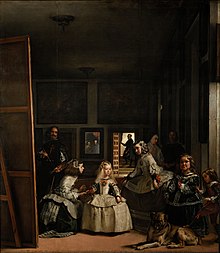
Во-вторых, сомнение вызывал тезис об отличительных характеристиках той или иной эпистемы и радикальных разрывах между ними. Так, Д.С. Руссо отмечал, что идеи грамматики Пор-Рояля (классическая эпистема у Фуко) уже присутствовали в работе испанского грамматиста Санктиуса (1585 год). Схожим образом центральное понятие современной эпистемы «органическая структура» восходит к временам Платона и Аристотеля [84] . Фуко неверно датировал появление современной биологии, — так считал биолог Винсент Лабери; и политической экономии (историк Пьер Вилар) [75] . Сомнительно отнесение «Менин» Веласкеса к классической эпистеме, а «Дон Кихота» — к возрожденческой, поскольку временное расстояние между ними весьма незначительно, писал историк Жан-Марк Пелорсон [85] .
Ряд авторов ставил под сомнение правомерность такого холистского анализа истории мысли, считая целостность эпистемы искусственной. Так, Морис Корвез полагал, что Фуко некорректно сравнивал науку с другими, ненаучными видами знания; эпистема не позволяет объяснить, почему, например, в XVII веке естественные науки играли более важную роль, чем грамматика [85] . На недостатки в подходе к отношениям внутри эпистемы указывала Сильвия Лебон: с одной стороны, отношения между элементами ригидны, но с другой стороны, они всегда случайны и замкнуты, что вызвано тотальностью эпистемы; связь между элементами может быть случайным совпадением [85] .
В защиту Фуко можно сказать, что даже на эмпирическом уровне его подход позволяет пересмотреть ряд традиционных исторических интерпретаций [84] . Комментируя критику, Гэри Гаттинг отмечал, что Фуко не ставил задачей подтвердить свои утверждения всеми источниками какого-либо периода, используемые им примеры являются не доказательствами, а иллюстрациями [79] . Вместе с тем, Фуко часто использовал термины классическое мышление, современное мышление, западное мышление и даже «вся эпистема западной культуры»; в «Словах и вещах» Фуко писал, что любой конкретной культуре в конкретный момент всегда существует только одна эпистема, определяющая условия возможности знания [86] . Гаттинг и другие исследователи писали [85] [87] , что плодотворным является использование не обобщений Фуко (которые, вероятно, не выдерживают эмпирической проверки), а сам замысел; его гипотезы можно использовать как источники новых идей [К 6] . Как отмечал Д.Х. Хекстер, тезисы конструктивистской истории почти всегда опровергаются при изучении конкретных областей, однако, парадоксальным образом, исследователи вновь неизбежно приходят к конструктивизму. С этой точки зрения, ценность конструктивистской истории Фуко не в исторической точности, а в способности стимулировать дальнейшие исследования [87] .
Эволюция концепции и отказ Фуко от эпистемы
Обобщая ранние работы в «теоретической» книге «Археологии знания» (1969), Фуко писал, что открытие сходств между всеобщей грамматикой, анализом богатств и естественной историей не было связано с реконструкцией ментальности или формы рациональности того времени [86] . Согласно Фуко, он, напротив, стремился проиллюстрировать локальными исследованиями разнообразие дискурсов, а не выявить некую культурную целостность [86] . В «Археологии знания» Фуко настаивал, что эпистема не является трансцендентальным принципом упорядочивания вещей, совокупностью утверждений, концептов или готовой рациональной схемой для различных наук и дисциплин; это совокупность динамических отношений, пространство рассредоточения взаимосвязей, существующих только в конкретных случаях дискурса конкретной исторической эпохи, хотя и определяющих закономерности дискурсивных практик [3] [4] [89] . Фуко отмечал [5] :
Эпистема — это не форма знания и не тип рациональности, который проходит через различные науки, манифестирует обособленные единства субъекта, духа или эпохи; эпистема — это, скорее, совокупность всех связей, которые возможно раскрыть для каждой данной эпохи между науками, когда они анализируются на уровне дискурсивных закономерностей.
Динамические отношения, таким образом, не скрыты в дискурсивных практиках, а скорее являются правилами их формирования, «позитивным бессознательным». Оставаясь на поверхности дискурсов, эпистема не имеет глубины или внутреннего содержания; её элементы проявляются в дискурсах, но не рефлексируются. С помощью эпистемы можно увидеть прошлое, но её нельзя привести к системе или структуре; эпистема является лишь совокупностью отношений [90] [4] .
В «Археологии знания» понятие уходит на второй план [89] [3] ; Фуко, вероятно, посчитал понятие слишком похожим на другие концептуальные схемы 1960-х годов [4] . Исследователь Патрик Жюнье пишет, что для Фуко занявшие место философии в современную эпоху гуманитарные науки стали выражением воли к господству — маской власти; поэтому Фуко перешёл к изучению подчинения знания власти и, соответственно, отказался от понятия эпистемы [10] . Исследователь Томас Лутц выделял ряд причин, способствовавших отказу Фуко от эпистемы: сдвиг во Франции от структурализма к политизированному волюнтаризму после 1968 года ; поиск такого способа изучения дискурса, который бы не являлся интерпретацией; признание невозможности исследовать изменения, причинность или действие ( agency ); проблема сохранения модели с глубинным и поверхностным уровнями, при том, что Фуко показал идеологичность такого разграничения; наконец, противоречивость самого исследовательского проекта: невозможность изучения эпистемы через локально-исторические исследования, неустранимые трудности в познании эпистем прошлого или даже настоящего [91] .
Пересмотрев свой подход, Фуко после 1970 года отказался от термина в пользу концепции «диспозитива» (аппарата) «власти — знания» [4] ; в интервью 1972 года Фуко уточнил, что эпистема в «Словах и вещах» не является исторической категорией, а представляет любые возможные отношения между различными науками или научными дискурсами в конкретный исторический период [10] . В 1977 году он окончательно переопределил понятие как «стратегический диспозитив», позволяющий проводить отбор всех возможных высказываний в поле научности, в котором высказывание может быть истинным или ложным. Диспозитив не определяет истинность или ложность, а отделяет научное от ненаучного [10] [61]
Эпистема и парадигма
Понятие эпистемы иногда употребляется в философии науки как аналог парадигмы , однако между терминами существует определённое различие [11] [3] . С одной стороны, оба понятия описывают характерные черты и прерывистость систем знания в разных исторических периодах [3] ; с другой стороны, если парадигма относится к внутринаучным правилам, то эпистема — к культурным и историческим аспектам установок познания [11] . Эпистему с парадигмой Томаса Куна отождествляли, например, Жан Пиаже в книге «Структурализм» (1968), а позднее — критик Фуко Чарльз Тейлор . Некоторые критики писали, что Фуко заимствовал понятие у американского историка науки, не ссылаясь на него [92] . В частности, Джордж Стайнер в 1971 году обвинял Фуко в том, что тот даже не упомянул имя Куна в своих работах. В ответ на критику Стайнера Фуко утверждал, что прочитал «восхитительную и важнейшую» книгу Куна только после окончания работы над «Словами и вещами» [93] [92] . Как писала исследователь П. Мейджор-Поецл, эпистеме в «Словах и вещах» больше соответствовало понятие дисциплинарной матрицы у Куна, которое тот использовал для описания выходящих за рамки парадигмы аспектов науки: символических правил, метафизических парадигм, научных ценностей; эти матрицы, по Куну, вписаны в социальную структуру научных сообществ [94] . Джорджо Агамбен отмечает, что, хотя Фуко часто использовал термин парадигма, понятие не имеет отношения к эпистеме [95] . Согласно Агамбену, куновской парадигме соответствуют «эпистемологические фигуры» и «пороги эпистемологизации» из «Археологии знания»; Фуко чётко разграничил предмет собственных исследований и парадигму. Агамбен заключает, что эпистема, в отличие от парадигмы, определяет не предмет познания в конкретную эпоху, а возможность существования тех или иных научных дискурсов или эпистемологических фигур [96] .
Современные оценки. Impact
The modern researcher Patrick Junier summarizes the shortcomings of the epistemic concept [10] . First, the structure itself and its origin (neither social, nor biological, nor transcendental) remain obscure. The appearance of a new epistem is “mysterious,” as the author himself puts it; instead of structures in the strict sense, Foucault describes only a homogeneous cultural integrity. Secondly, the three epistemes are singled out at the cost of distorting the facts. In the framework of the definition of the Foucault epistem, it is difficult to bring it to uniformity, only by attracting certain data, since some aspects of culture do not fit into the outlined time and conceptual scheme. Thirdly, the terms that Foucault uses to describe the transition from one episteme to another: “discontinuity”, “fracture”, “radical event”, “break” - mean jumps between homogeneous structures (a legacy of structuralism). If the epistemes are different from each other, they are not completely closed; in this case, it is difficult to prove the fact of a hopping transition. Researcher Danilo Martucelli notes that the epistem embodied the “linguistic idealism” of early Foucault, which denoted the impasse of his radical structuralism. It all came down to an epistem: any object was constituted only in discourse, although the thinker recognized the existence of non-discursive practices [97] .
At the same time, researcher Jean-Claude Wiimann agrees with the position of Gilles Deleuze , who interpreted the historical “epochs” of Foucault as sets that “slip away from the power of the subject, as well as from the power of the structure” [98] . According to Wijman, although the episteme is opposed to the individual’s freedom in existentialism and has a connection with structuralism, it cannot be reduced to it, because, firstly, it does not have a universal character, and secondly, within the framework of the episteme, the individual retains the ability to think about its defining structures [98] . The researcher notes that the episteme, like the habit in the sociology of Pierre Bourdieu , so determines the modes of existence that, when they make conscious acts, they consider themselves free, but do not realize the reasons for their actions [K 7] [1] . According to researcher Ian Macklin, one of the advantages of the epistemic concept is that it rejects the insight, integrity and continuity of a person, his naive faith in progress and evolution, timeless rationality, which are just ideological constructs [88]
The term is used in political science and in the theory of international relations , although there has been a change in its original meaning [61] . In 1975, American political theorist John Ruggie, referring to Foucault, introduced the concept of “epistemological community”, which Peter Haas developed from the early 1990s. The epistemological community, the boundaries of which are formed by the episteme, is a community of people with a similar way of perceiving social reality, sharing similar symbols and patterns, having joint expectations and intentions, and having certain competencies [61]
Comments
- ↑ The term goes back to Kant's philosophy [2] .
- ↑ Foucault also mentions the fourth episteme, which began around 1950, but does not specify its characteristics in detail. Reflection and self-criticism arise in the episteme, the humanities (psychology, sociology, literary criticism) are faced with psychoanalysis, ethnology, linguistics; the latter reveal unconscious structures, conditions for the possibility of humanitarian knowledge (as well as Foucault's own research) [14] .
- ↑ G. Gatting suggests that the key idea of Foucault in his largely obscure analysis was the thesis that it was impossible for the classical epistem to represent the very act of representing the object, which was taken for granted; classical thinking, of course, was aware of the representation and described it with the help of various theories, but could not go beyond the boundaries of representation [37] .
- ↑ The main problem of natural history was the individual differences of living beings and, accordingly, the classification of their totality; the problem was resolved by the nature continuity postulate [46] .
- ↑ Foucault explains that languages (universal grammar) developed more spontaneously, by different groups of people, which led to a variety of joints and attributive connections; the other two areas were purposefully constructed into highly developed scientific and social concepts. Therefore, in the first case, the elements were separated, and in the second, they were unified [53] .
- ↑ For example, Ian Macklin notes a number of advantages in describing the Renaissance episteme. Foucault's approach allows us to better understand the scientific revolution and the radical reconfiguration of knowledge in the 17th century (Descartes’s, in logic and grammar, biology) and draws attention to the internal contradictions of some aspects of the past that are embedded in the very structures of thinking: trust in religious texts was combined in the XVI— XVII centuries with the advent of scientific logical thinking, and this could be combined with one author [88] .
- ↑ Unlike habitus, the episteme refers to society as a whole, and not to individual individuals.
Notes
- ↑ 1 2 3 Vuillemin, 2012 , p. 40.
- ↑ Ysmal, 1972 , p. 787.
- ↑ 1 2 3 4 5 6 7 8 9 10 Vizgin, 2009 .
- ↑ 1 2 3 4 5 6 7 8 McWhorter, 2005 .
- ↑ 1 2 3 Bolmain, 2010 .
- ↑ Ysmal, 1972 , p. 788.
- ↑ 1 2 Gutting, 1989 , p. 140.
- ↑ 1 2 3 Kolesova, 2013 , p. 446.
- ↑ Major-Poetzl, 1983 , p. 25.
- ↑ 1 2 3 4 5 6 7 8 9 10 Juignet .
- ↑ 1 2 3 4 5 6 7 Karimov, 2015 .
- ↑ 1 2 3 Ysmal, 1972 , p. 801.
- ↑ 1 2 Gutting, 1989 , p. 139-140.
- ↑ Major-Poetzl, 1983 , p. 150.
- ↑ Ysmal, 1972 , p. 783–784.
- ↑ Kolesova, 2013 , p. 445-446.
- ↑ Ysmal, 1972 , p. 784-785.
- ↑ 1 2 Vuillemin, 2012 , p. 43.
- ↑ 1 2 3 Ysmal, 1972 , p. 783.
- ↑ Gutting, 1989 , p. 141.
- ↑ Gutting, 1989 , p. 141-142.
- ↑ 1 2 Gutting, 1989 , p. 142.
- ↑ Gutting, 1989 , p. 142-143.
- ↑ 1 2 Kolesova, 2013 , p. 446-447.
- ↑ Gutting, 1989 , p. 143.
- ↑ 1 2 3 4 5 6 7 Kolesova, 2013 , p. 447.
- ↑ Gutting, 1989 , p. 143-144.
- ↑ Gutting, 1989 , p. 144.
- ↑ Gutting, 1989 , p. 144-145.
- ↑ Gutting, 1989 , p. 145.
- ↑ Gutting, 1989 , p. 145-146.
- ↑ Gutting, 1989 , p. 147.
- ↑ Gutting, 1989 , p. 146.
- ↑ Gutting, 1989 , p. 146-147.
- ↑ Gutting, 1989 , p. 148-149.
- ↑ Gutting, 1989 , p. 149-150.
- ↑ Gutting, 1989 , p. 152.
- ↑ Gutting, 1989 , p. 154-155.
- ↑ Gutting, 1989 , p. 154.
- ↑ Gutting, 1989 , p. 155.
- ↑ Gutting, 1989 , p. 155-156.
- ↑ Gutting, 1989 , p. 157.161.
- ↑ Gutting, 1989 , p. 161.
- ↑ Gutting, 1989 , p. 163-164.
- ↑ Gutting, 1989 , p. 168.
- ↑ Gutting, 1989 , p. 164.
- ↑ 1 2 3 4 5 Kolesova, 2013 , p. 448.
- ↑ Gutting, 1989 , p. 165.
- ↑ Gutting, 1989 , p. 168-169.
- ↑ Gutting, 1989 , p. 169.
- ↑ Gutting, 1989 , p. 170-172.
- ↑ Gutting, 1989 , p. 173.
- ↑ 1 2 Gutting, 1989 , p. 174.
- ↑ Major-Poetzl, 1983 , p. 181.
- ↑ Gutting, 1989 , p. 174-175.
- ↑ 1 2 Gutting, 1989 , p. 181.
- ↑ Gutting, 1989 , p. 182.
- ↑ 1 2 Gutting, 1989 , p. 183.
- ↑ Kolesova, 2013 , p. 449.
- ↑ Kolesova, 2013 , p. 448-449.
- ↑ 1 2 3 4 Viltard, 2006 .
- ↑ Gutting, 1989 , p. 184-185.
- ↑ 1 2 Gutting, 1989 , p. 186.
- ↑ Major-Poetzl, 1983 , p. 183.
- ↑ Gutting, 1989 , p. 186-187.
- ↑ Major-Poetzl, 1983 , p. 183, 185.
- ↑ Gutting, 1989 , p. 187.
- ↑ Major-Poetzl, 1983 , p. 185.
- ↑ Gutting, 1989 , p. 188-189.
- ↑ Gutting, 1989 , p. 189-190.
- ↑ Gutting, 1989 , p. 190-191.
- ↑ Gutting, 1989 , p. 191.
- ↑ 1 2 Major-Poetzl, 1983 , p. 186.
- ↑ Gutting, 1989 , p. 192.
- ↑ 1 2 3 Avtonomova, 1994 , p. 20.
- ↑ White, 1973 , p. 44.
- ↑ Maclean, 1998 , p. 149.
- ↑ Gutting, 1989 , p. 175-176.
- ↑ 1 2 3 Gutting, 1989 , p. 176.
- ↑ Gutting, 1989 , p. 176-177.
- ↑ Maclean, 1998 , p. 153.
- ↑ Maclean, 1998 , p. 153-154.
- ↑ Maclean, 1998 , p. 165.
- ↑ 1 2 Gutting, 1989 , p. 177.
- ↑ 1 2 3 4 Avtonomova, 1994 , p. 21.
- ↑ 1 2 3 Gutting, 1989 , p. 178.
- ↑ 1 2 Gutting, 1989 , p. 179.
- ↑ 1 2 Maclean, 1998 , p. 166.
- ↑ 1 2 Ysmal, 1972 , p. 802.
- ↑ Maclean, 1998 , p. 151.
- ↑ Lutz, 1984 , p. 7-8.
- ↑ 1 2 Major-Poetzl, 1983 , p. 86.
- ↑ Agamben, 2009 , p. 10, 12.
- ↑ Major-Poetzl, 1983 , p. 88.
- ↑ Agamben, 2009 , p. 9, 15.
- ↑ Agamben, 2009 , p. 14-15.
- ↑ Martuccelli, 2006 , p. 23.
- ↑ 1 2 Vuillemin, 2012 , p. 45.
Literature
- in Russian
- Avtonomova N.S. Michel Foucault and his book “Words and Things” // Words and Things. Archeology of the humanities. - M .: A-cad, 1994 .-- S. 7-27. - ISBN 5-85962-021-7 .
- Vizgin V.P. Epistema // Modern Western Philosophy. Encyclopedic Dictionary / Ed. O. Hoffe , V. S. Malakhov , V. P. Filatov with the participation of T. A. Dmitriev . Institute of Philosophy of the Russian Academy of Sciences . - M .: Cultural Revolution, 2009. - S. 203. - ISBN 978-5-250060-60-8 .
- Kerimov T. Kh. Epistema // Modern philosophical dictionary / under the general. ed. V. E. Kemerov and T. Kh. Karimova. - M. , Yekaterinburg: Academic project ; Business Book, 2015 .-- S. 795-796. - ISBN 978-5-8291-1712-2 .
- Kolesova O.V. Analysis of the epistemological significance of the concept of “episteme”: conceptual aspect // Bulletin of the Nizhny Novgorod University. N.I. Lobachevsky. - 2013. - No. 6 (1) . - S. 445-451 .
- in other languages
- Agamben, Giorgio. The Signature of all Things: on Method. - Cambridge, Ma; L .: Zone Books, 2009 .-- ISBN 978-1-890951-98-6 .
- Bolmain, Thomas. Pratique archéologique, esthétique picturale et temporalité historique chez Foucault // Sense Public. - 2010. - ISSN 2104-3272 .
- Gutting, Gary. Michel Foucault's Archeology of Scientific Reason. - Cambridge, etc .: Cambridge University Press , 1989 .-- ISBN 0-521-36619-4 .
- Juignet, Patrick. Michel Foucault et le concept d'épistémè (Fr.) . Philosophie, science et société (2015).
- Lutz, Thomas. Foucault's paradigm, Kuhn's episteme // Constructions. - 1984. - No. 1 . - P. 7-12.
- Maclean, Ian. Foucault's Renaissance Episteme Reassessed: An Aristotelian Counterblast // Journal of the History of Ideas. - 1998. - Vol. 59, No. 1 . - P. 149-166.
- Major-Poetzl, Pamela. Michel Foucault's Archeology of Western Culture: Toward a New Science of History. - Brighton: The Harvester Press, 1983. - ISBN 0-7108-0484-9 .
- Martuccelli, Danilo. Foucault et les impasses de l'ordre social // Sociologie et sociétés . - 2006. - Vol. 38, No. 2 . - P. 17—34.
- McNay, Lois. Foucault: A Critical Introduction. - Cambridge: Polity Press, 1994 .-- ISBN 978-0745609911 .
- McWhorter, Ladelle. Episteme // The Edinburgh Dictionary of Continental Philosophy / John Protevi (ed.). - Edinburgh: Edinburgh University Press , 2005 .-- P. 176-177. - ISBN 0-7486-1715-9 .
- Van de Wiele, Jozef. L'histoire chez Michel Foucault. Le sens de l'archéologie // Revue Philosophique de Louvain. - 1983. - Vol. 81, No. 52 . - P. 601-633.
- Viltard, Yves. L'étrange carrière du concept foucaldien d'épistémè en science politique // Raisons politiques. - 2006. - No. 23 . - P. 193-202.
- Vuillemin, Jean-Claude. Réflexions sur l'épistémè foucaldienne // Cahiers philosophiques . - 2012. - No. 130 . - P. 39-50. - ISSN 0241-2799 .
- White, Hayden V. Foucault decoded: notes from underground // History and Theory. - 1973. - Vol. 12, No. 1 . - P. 23-54.
- Ysmal, Colette. Histoire et archéologie. Note sur la recherche de Michel Foucault // Revue française de science politique . - 1972. - Vol. 22, No. 4 . - P. 775-804.
Links
- Vizgin V.P. Epistema // New Philosophical Encyclopedia / Institute of Philosophy of the Russian Academy of Sciences ; Nat social science fund; Pres scientific ed. Council V. S. Styopin , alternate representatives: A. A. Huseynov , G. Yu. Semigin , school. sec. A.P. Ogurtsov . - 2nd ed., Rev. and extra. - M .: Thought , 2010 .-- ISBN 978-5-244-01115-9 .