Saioto ( born Scioto , pronounced / saɪˈoʊtə / ) is a river in central and southern Ohio with a length of over 372 kilometers [1] . Begins in Ogleise County in western central Ohio, flows through the city of Columbus , where the largest of its tributaries, , flows into it, and flows into the Ohio River in Portsmouth .
| Sayoto | |
|---|---|
| English Scioto | |
 | |
| Characteristic | |
| Length | 372 km |
| Swimming pool | 16 879 km² |
| Water consumption | 189 m³ / s |
| Watercourse | |
| Source | |
| • Coordinates | |
| Mouth | Ohio |
| • Coordinates | |
| Location | |
| Water system | Ohio → Mississippi → Gulf of Mexico |
| A country |
|
| Region | Ohio |
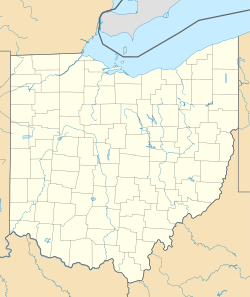
 - source - source  - mouth - mouth | |



The river is too small for modern commercial shipping. Basically, the economic significance of the river lies in the fact that it is a place for tourist recreation and a source of drinking water .
In the valley of the Sayoto River, from ancient times, various tribes of Indians lived. Of these, the culture of the Mound Builders of the Hopwell tradition is most famous. Numerous burial mounds have survived to this day near the town of Chillicoti in the Hopewell National Historical Park of Culture . In pre-Columbian times, the territory of this culture spread east to Virginia .
In the years shortly before the Civil War in the United States, the Sayoto River served as the waterway for the “ Underground Railroad, ” a system of routes by which runaway slaves from the South were transported to the North.
Notes
- ↑ Scioto River Valley Federation (unavailable link) . Archived October 12, 2007.