Karl Rappan ( German: Karl Rappan ; September 26, 1905 , Vienna - January 2, 1996 , Bern ) is an Austrian footballer and coach . The inventor of the Zasov system, the predecessor of Catenaccio . One of the founders of the Intertoto Cup .
 Karl Rappan | ||||||||||||||||||||||||||||||||||||||||||||||||||||||||||||||||
|---|---|---|---|---|---|---|---|---|---|---|---|---|---|---|---|---|---|---|---|---|---|---|---|---|---|---|---|---|---|---|---|---|---|---|---|---|---|---|---|---|---|---|---|---|---|---|---|---|---|---|---|---|---|---|---|---|---|---|---|---|---|---|---|---|
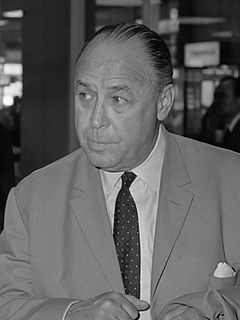 Karl Rappan in September 1969 | ||||||||||||||||||||||||||||||||||||||||||||||||||||||||||||||||
| general information | ||||||||||||||||||||||||||||||||||||||||||||||||||||||||||||||||
| Born | September 26, 1905 Vienna , Austria-Hungary | |||||||||||||||||||||||||||||||||||||||||||||||||||||||||||||||
| Died | January 2, 1996 (90 years old) Bern , Switzerland | |||||||||||||||||||||||||||||||||||||||||||||||||||||||||||||||
| Citizenship |  Austria Austria | |||||||||||||||||||||||||||||||||||||||||||||||||||||||||||||||
| Position | midfielder attack | |||||||||||||||||||||||||||||||||||||||||||||||||||||||||||||||
| ||||||||||||||||||||||||||||||||||||||||||||||||||||||||||||||||
| ||||||||||||||||||||||||||||||||||||||||||||||||||||||||||||||||

Content
- 1 Biography
- 1.1 Player career
- 1.2 Career career
- 1.3 National team coach
- 1.4 Bolt system
- 1.5 Interesting facts
- 2 Achievements
- 3 notes
- 4 References
Biography
Player Career
Rappan began his playing career [1] at the Donau youth club from his native Vienna, where he alternately played as an extreme forward, center forward and midfielder. In 1924, the talented young man was noticed by the Wacker club and invited to his place. There he usually played at the edge of the attack, and then was transferred to midfield. During the game in Wacker, he was noticed by the leadership of the national team, for which he spent two matches. In 1929, Rappan moved to Vienna's Austria , but played there infrequently. Then there was a transition to Rapid, where Carl played even less often, only 6 matches out of 22 played by the team.
Rappan graduated from the School of Commerce and seriously decided whether to choose football or a civilian profession.
In 1931, Rappanu receives an offer from the Swiss Servette, which he accepted. Initially, they intended to use Rappan on the right edge of the attack, but gradually the ideas of Rappan found understanding with the club president - Eduard Fullice, so Rappan became a playing coach. He moved to defense and began to lead partners from the place of the central defender.
Coach Career
Rappan's revolutionary ideas made a result, with Servette he twice became the champion of Switzerland in 1933 and 1934, while both championships were won in different formats of the tournament - in regional tournaments with group winners and in the generally accepted national league tournament. Moreover, in both championships, Servette missed the least, and scored the most. [2]
In 1935, the trainer was invited by Grasshoppers, who was looking for a replacement for the famous Hungarian Dory Kürschner . With Grasshoppers, Rappan won 5 Swiss Championships and 7 Swiss Cups, taking a double in three seasons. In 1948, Rappan returned to Servette, with whom he won the championship and the Cup. After Servette, Rappan coached Zurich for a year. Then, in addition to the national team, he coached Lausanne, with whom he won the 1965 championship. In 1970-1971 Rappan was the technical director of Rapida.
Team coach
In 1937, Rappana was invited to coach the Swiss national team . In the first game under Rappan, Switzerland met with Austria and lost 3: 4. Rappan made a bet on the players of the Grasshoppers he knew. At the 1938 World Cup in France , the Rappan team sensationally defeated the Germans 4: 2, losing 0: 2 during the match. Then Rappan coached the team from 1942 to 1949.
In 1953, Rappana was again called to manage the main Swiss team. The 1954 World Cup was held in Switzerland, where Switzerland reached the quarterfinals, where they lost to the Austrians 5: 7 in the 35-degree heat.
The last time Rappan coached the team from 1960 to 1963. At the 1962 World Cup, the team failed, and in 1963 the coach left.
In total, Rappan led the team in 77 matches, of which 29 won and 36 lost. In the final tournaments of the World Cup, the Rappan team scored 3 wins, lost 6 times and tied one match.
Bolt System
This is a transition from the 2-3-5 traditional for that time to the 4-3-3 [3] scheme with the obligatory stopper and cleaner. The extreme midfielders became extreme defenders, pushing the extreme forwards and midfielders to the edge, the center of the field fell under the control of the enemy, and the midfield went close to the penalty area, thus creating a screen (during a quick attack - the midfield became the first line of defense, backing up to a certain point, and then meeting the attackers), the attackers acted against the opponent's midfield, even the position of a drawn forward was invented. All players acted in zones.
Interesting Facts
- On December 31, 1931, Rappan, Dachshund, Rodriguez and Vasiliev were simultaneously on the field as part of the Servette on the field, and according to the then Swiss rules that appeared in the same year, only 3 legionnaires were allowed to attend the field. Rappan and Dachshund passed on request as students, but when the leadership of the rival “Lausanne” demanded certificates from educational institutions, the players could not provide them, and “Servette” was counted as a technical defeat 0: 3.
- Rappan refused to lead the German national team in 1938.
- Rappan was a Nazi member of the NSDAP . The whole family was connected with Nazism: Ernestin's wife was an activist in the Nazi circles of Zurich, Ilse's daughter was a member of the German Girls Union , and her son was a member of the Hitler Youth . In the Germany-Switzerland match at the 1938 World Cup, Rappan greeted the German team with a traditional Nazi gesture - with a raised hand.
- Rappan owned a hotel in Wolfgangs and a restaurant in Geneva, and was also involved in player transfers.
- Thanks to Rappan's connections, Servette was the first Swiss team to compete in the European Cup . Place “Servette” was lost to the champion of Switzerland - the club “Chaux-de-Fonds”.
- In 1948, Rappan was given Swiss citizenship.
Achievements
- As a player
- Champion of Austria : 1930
- Champion of Switzerland : 1933, 1934
- Mitropa Cup Winner: 1930
- Like a trainer
- Champion of Switzerland : 1937, 1939, 1942, 1943, 1945, 1950, 1965
- Swiss Cup Winner: 1937, 1938, 1940, 1941, 1942, 1943, 1946, 1949, 1964
Notes
- ↑ In addition to the clubs listed on the card, there is evidence that Rappan played for the DAC and Strasseban
- ↑ In 1934, Servette scored the same number of goals with Grasshoppers - 100.
- ↑ For the first time, the team played with 4 defenders.