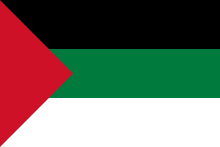
Pan-Arab colors ( Arabic. ألوان الوحدة العربية - the colors of the unity of the Arabs ) - the colors present on the flags of the countries of the Arab rebellion : red , black , white and green . The first three colors are represented on the flags of Egypt and Yemen; together with green, they are also present on the flags of Iraq , Jordan , Kuwait , Palestinians , Somaliland , Sudan , Syria , the United Arab Emirates and Western Sahara .
It is believed that each color of the four Arabic colors represents a specific Arab dynasty or era: the black color was the flag color of the Prophet Muhammad , while the white color was taken by the Umayyads to be their symbol, since it reminded them of the battle of Badr , the green color was taken by the Fatimids as a symbol of their support for Ali ibn Abu Talib , while the red color was the Kharijit flag and then became the symbol of rulers in North Africa and Al-Andalus.
Some Arab countries do not use all Arabic colors or use some of them in other combinations: Algeria and Lebanon , for example, use only green, white and red without black, Tunisia , Qatar and Bahrain - only white and red.
Modern flags using arabic colors.

Algeria flag 
Egypt flag 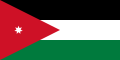
Flag of jordan 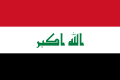
Flag of iraq 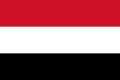
Yemen flag 
Kuwait flag 
Lebanon flag 
Libya flag 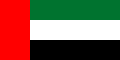
UAE flag 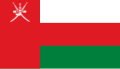
Flag of oman Flag of palestine 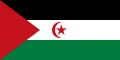
SADR flag Syria flag Flag of somaliland Sudan flag Flag of the National Coalition of Syrian Revolutionary and Opposition Forces


Historical Pan-Arab Flags
Arab Federation (1958) Arab Islamic Republic (1972-1977 project) Egypt (1952–1958) Egypt (1958–1972)
Syria (1958–1961)Egypt (1972–1984)
Libya (1972-1977)
Syria (1972-1980)Iraq (1921–1959) Iraq (1959–1963) Iraq (1963–1991)
Syria (1963–1972)Iraq (1991–2004) Iraq (2004–2008) North Yemen (1962–1990) South Yemen (1945–1990) Libya (1969–1972) - Syria (1920)
Syria (1932–1958 and 1961–1963) Hijaz (1917-1920) Hijaz (1920-1926) Hijaz (1926–1932)
See also
- Tricolor
- Pan-african colors
- Paniran colors
- Panslavic colors
- World flags